

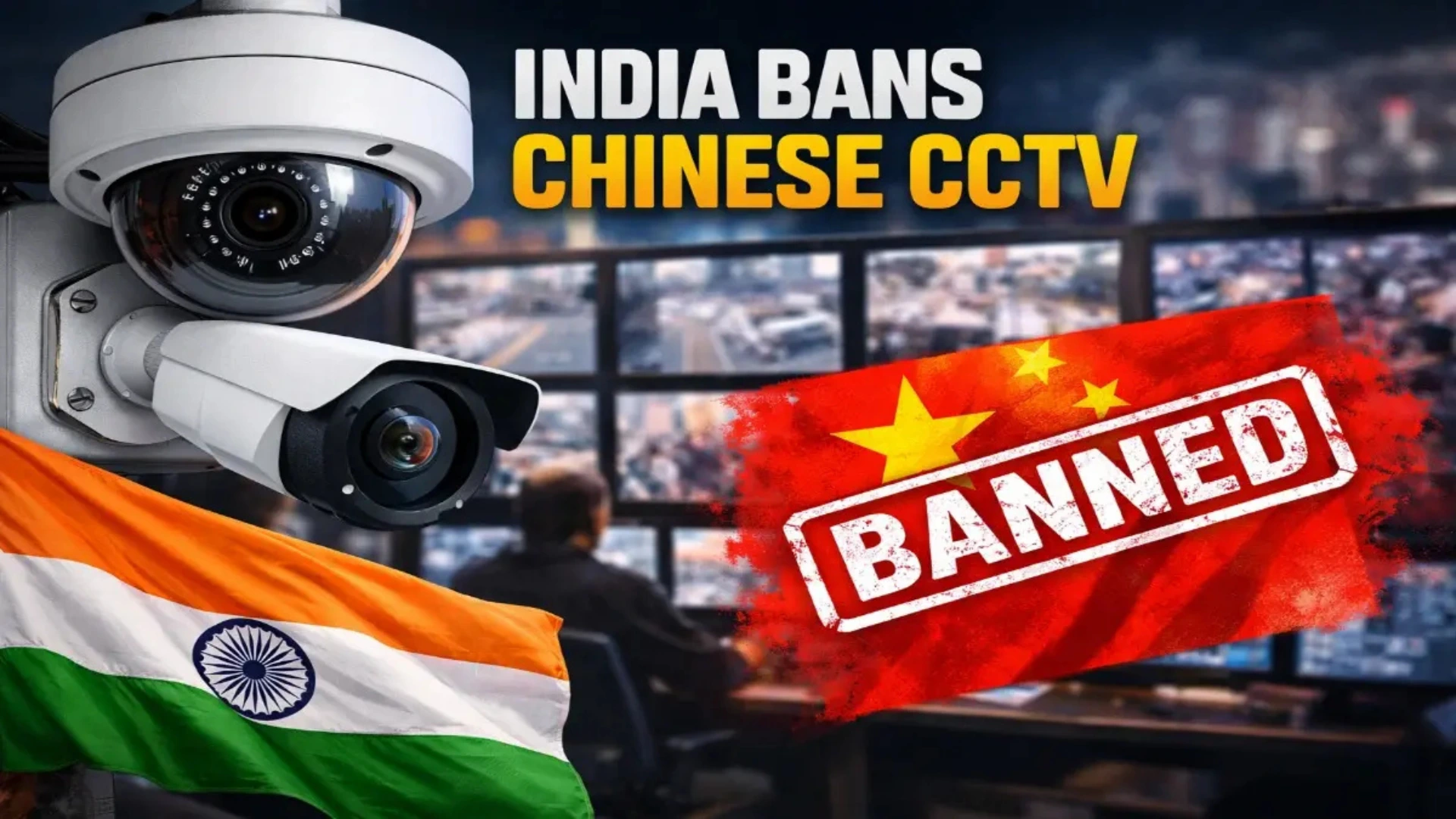
India is set to restrict Chinese surveillance equipment brands like Hikvision and Dahua from April 1 citing security concerns. The move could reshape the domestic security and electronics market.
Author: Aadarsh Patel | EQMint
New Delhi, March 31, 2026: India is preparing to impose restrictions on Chinese surveillance equipment manufacturers, including Hikvision, Dahua Technology, and TP-Link, from April 1, citing national security concerns.
The proposed move is part of a broader push to tighten oversight on critical digital infrastructure and reduce dependence on foreign surveillance technologies.
Key Highlights
- Ban likely effective from April 1, 2026
- Targets Chinese CCTV and networking brands
- Driven by national security concerns
- Boost expected for domestic manufacturers
- Part of broader digital sovereignty strategy
Why India Is Moving to Ban Chinese CCTV Brands
The India CCTV ban Chinese brands decision is rooted in concerns over:
- Data security and surveillance risks
- Potential foreign access to sensitive infrastructure
- Dependence on imported security equipment
Authorities have been increasingly cautious about allowing foreign-controlled surveillance systems in critical sectors.
Hikvision, Dahua, TP-Link: What’s at Stake
The restriction could significantly impact major Chinese players:
- Hikvision and Dahua Technology dominate India’s CCTV market
- TP-Link is widely used in networking infrastructure
These companies have a strong presence across:
- Government installations
- Private enterprises
- Residential security systems
Impact on Indian Market
Positive for Domestic Players
- Opportunity for Indian electronics manufacturers
- Boost to “Make in India” initiatives
- Increased demand for local security solutions
Short-Term Challenges
- Higher costs for replacement
- Supply chain disruptions
- Limited domestic alternatives initially
Policy Push: Digital Sovereignty
This move aligns with India’s broader policy direction:
- Reducing dependence on Chinese imports
- Strengthening domestic manufacturing
- Securing digital and physical infrastructure
The government has previously taken similar steps in telecom and mobile app ecosystems.
What Consumers and Businesses Should Do
- Review existing surveillance systems
- Prepare for compliance requirements
- Explore alternative vendors
Businesses using affected equipment may need to transition to approved systems.
Global Context
India is not alone in this move. Several countries, including the US, have imposed restrictions on Chinese surveillance companies over security concerns.
Conclusion
The proposed ban on Chinese CCTV brands marks a significant shift in India’s security and technology policy. While it may cause short-term disruption, the move is expected to strengthen domestic capabilities and reduce long-term risks.
For more such information visit EQMint