
July 24, 2026: EPR in Asia Pacific, Japan is often seen as a global benchmark for Plastics waste segregation. Households carefully plastic packaging, bottles, cans, paper, and burnable waste according to detailed municipal guidelines. Streets are remarkably clean, collection systems are efficient, and public participation in waste sorting is among the highest in the world. Yet behind this impressive system lies a surprising reality.
Author: Aadarsh Patel | EQMint
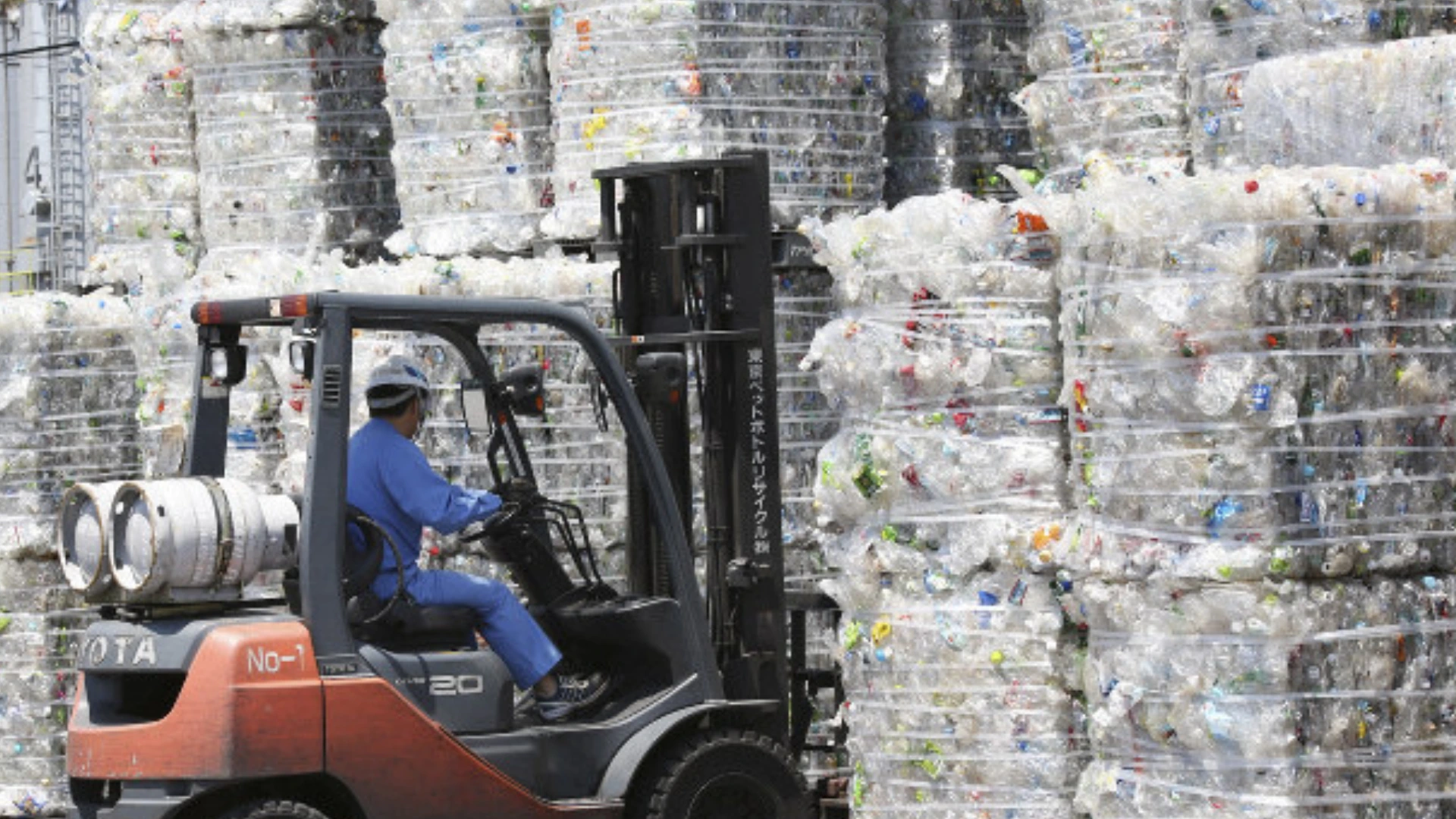
Despite collecting and sorting plastic waste better than almost any other country, Japan materially recycles only a relatively small share of its plastic waste. A large portion is instead converted into energy through incineration, raising important questions about how recycling performance should be measured under Extended Producer Responsibility (EPR) frameworks.
Sorting Success Doesn’t Always Mean Recycling Success
Japan’s waste management system is built around disciplined source segregation. Citizens separate different waste streams before collection, making contamination levels much lower than in many countries.
This high-quality sorting creates an efficient collection system. However, once the plastic enters recycling facilities, much of it proves difficult or uneconomical to recycle into new plastic products. Mixed plastics, multilayer packaging, contaminated films, and low-value materials often cannot be processed economically using existing recycling technologies.
As a result, significant quantities are diverted to waste-to-energy facilities instead of being converted into secondary raw materials.
The Difference Between Material Recycling and Thermal Recycling
One reason Japan reports relatively high plastic recovery rates is its classification of thermal recycling.
In Japan, plastics burned in highly efficient incinerators to generate electricity or heat are often counted as “recycled” under national reporting systems.
Many European countries and environmental organisations, however, distinguish between:
- Material recycling, where plastics become new products.
- Chemical recycling, where plastics are converted into feedstock.
- Energy recovery, where plastics are simply used as fuel.
Because of these different definitions, Japan’s overall recycling figures can appear much higher than the actual percentage of plastics being transformed into new plastic products.
EPR Is Expanding Across Asia Pacific
Extended Producer Responsibility has become one of the biggest policy shifts across the Asia-Pacific region.
Countries including:
- India
- Japan
- South Korea
- Australia
- Singapore
- Indonesia
- Thailand
are strengthening producer responsibility laws that require manufacturers, importers, and brand owners to take greater responsibility for the packaging they introduce into the market. While every country follows a different regulatory model, the common objective remains the same: reduce landfill dependence, increase recycling, and build a circular economy.
Japan’s EPR System Focuses on Shared Responsibility
Japan introduced packaging recycling legislation decades ago through its Containers and Packaging Recycling Law.
Instead of placing the entire burden on producers, the system distributes responsibility among:
- Consumers, who separate waste.
- Municipal governments, which collect and sort it.
- Producers, who finance recycling activities.
The approach has achieved exceptionally high collection rates, although improving material recycling remains an ongoing challenge.
Why Material Recycling Remains Difficult
Several factors limit plastic recycling, even in countries with advanced waste collection systems. Many plastic products contain multiple polymer layers that cannot be separated economically. Food contamination lowers recycling quality.
Virgin plastic often remains cheaper than recycled resin, reducing commercial demand. Some packaging formats are simply not designed with recycling in mind. These challenges explain why efficient collection alone does not automatically produce high recycling rates.
Lessons for India’s EPR Journey
India is rapidly strengthening its EPR framework through digital registration, traceability requirements, recycling targets, and Plastic Waste Management Rules. Japan’s experience offers several important lessons.
- First, collection systems must be supported by investments in recycling infrastructure.
- Second, packaging should be designed to improve recyclability rather than relying solely on end-of-life processing.
- Third, measuring recycling performance should clearly distinguish between material recycling and energy recovery.
- Finally, stronger demand for recycled content is essential to make recycling commercially sustainable.
The Future of Plastic Recycling
Countries across Asia Pacific are increasingly investing in:
- Advanced mechanical recycling.
- Chemical recycling technologies.
- AI-powered waste sorting.
- Digital EPR tracking systems.
- Recycled content mandates.
- Eco-design for packaging.
Together, these initiatives aim to increase the proportion of plastics that are genuinely recycled back into manufacturing rather than diverted to incineration.
Conclusion on EPR in Asia Pacific
Japan demonstrates that world-class waste segregation is only one part of a successful circular economy. Efficient collection systems create the foundation, but true recycling depends on product design, recycling technology, market demand for recycled materials, and clear policy frameworks.
As EPR regulations continue to evolve across Asia Pacific, policymakers and businesses are shifting their attention from simply collecting plastic waste to ensuring that more of it returns to the production cycle.
Key Takeaways
- Japan has one of the world’s most efficient plastic waste segregation systems.
- A relatively small share of collected plastic is materially recycled into new products.
- Much of the remaining plastic is converted into energy through incineration.
- EPR policies across Asia Pacific are moving toward stronger producer accountability.
- Better packaging design and recycling infrastructure are essential for improving circularity.
FAQs
What is Extended Producer Responsibility (EPR)?
EPR is an environmental policy that makes producers responsible for managing the collection, recycling, or disposal of the products and packaging they place on the market.
Why does Japan recycle less plastic than expected?
Although Japan collects and sorts plastic efficiently, much of the waste is unsuitable for material recycling and is instead used for energy recovery through controlled incineration.
Is thermal recycling the same as material recycling?
No. Material recycling converts plastic into new products, while thermal recycling recovers energy by burning plastic waste.
What can India learn from Japan’s EPR model?
India can strengthen recycling outcomes by combining efficient collection with recyclable packaging design, investment in recycling facilities, digital traceability, and stronger markets for recycled materials.
For more such information visit EQMint
Join our Whatsapp channel for timely updates: Whatsapp