

Author: Nishtha Mehrotra | EQMint
Synopsis:
- Amit Shah launched the FCRA 2.0 Portal and electronic OCI card on June 30, 2026, to improve digital governance and simplify government services.
- The new FCRA portal digitises applications, renewals and annual returns while strengthening the monitoring of foreign contributions.
- The e-OCI card aims to simplify services for more than 50 lakh OCI cardholders by reducing paperwork and enabling digital access.
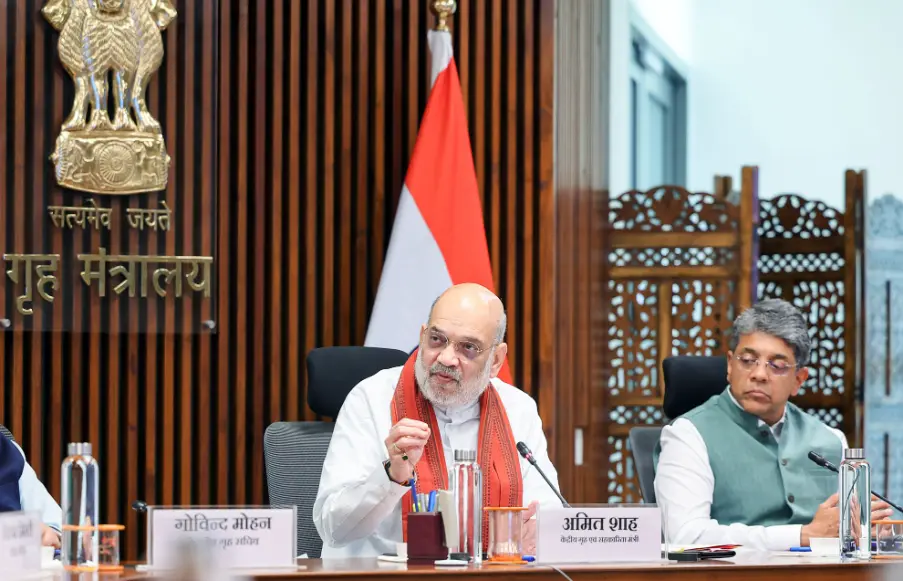
India is expanding its digital governance infrastructure with two new initiatives aimed at simplifying regulatory compliance and services for the Indian diaspora. Union Home Minister Amit Shah launched the FCRA 2.0 Portal and electronic Overseas Citizen of India (e-OCI) card in New Delhi on June 30, 2026.
FCRA 2.0 Portal: Simplifying Foreign Funding Compliance
The FCRA 2.0 Portal digitises key processes under the Foreign Contribution (Regulation) Act, including applications, renewals, annual returns and related services.
The platform is hosted on the government’s MeghRaj cloud and incorporates Aadhaar-based authentication, e-Sign, optical character recognition (OCR) and integration with databases such as PAN, Aadhaar, NGO Darpan and the ICAI’s UDIN system. These features are designed to reduce paperwork, speed up application processing and improve verification of foreign contributions.
According to the government, approximately 14,500 organisations currently hold active FCRA registrations. The portal is intended to help manage the volume of applications and annual filings while strengthening oversight of how foreign contributions are received and used.
Electronic OCI Card: Easier Services for Indians Abroad
The electronic OCI card is designed to make services more convenient for the global Indian diaspora. The initiative is expected to benefit more than 50 lakh OCI cardholders.
Applicants can complete the process online, upload supporting documents and download the digitally generated card after approval. Existing cardholders can generally obtain an e-OCI card without submitting a fresh application or undergoing physical verification.
Another key change is the removal of the requirement to reissue the OCI booklet when a new passport is issued after the holder turns 20. However, passport details must still be updated online whenever a new passport is issued.
What These Changes Mean
The two initiatives reflect a wider push towards technology-enabled public services. For organisations receiving foreign contributions, the new portal could simplify compliance and improve processing efficiency. For OCI cardholders, digital documentation may reduce the risk of losing or damaging physical cards and make identity verification more convenient.
The effectiveness of both initiatives will depend on implementation, data security and the reliability of the digital systems.
Disclaimer: This article is for information purposes only and is not investment advice.
For more such information, visit EQMint
Join our WhatsApp channel for timely updates: Whatsapp