
Author: Nishtha Mehrotra | EQMint
Synopsis
-
- GSTAT directed IRCTC to deposit ₹50.41 crore into consumer welfare funds over alleged GST profiteering involving Rail Neer.
-
- The investigation covered sales between July 2017 and May 2020.
-
- The tribunal rejected IRCTC’s arguments concerning government-fixed pricing and free supplies on premium trains.
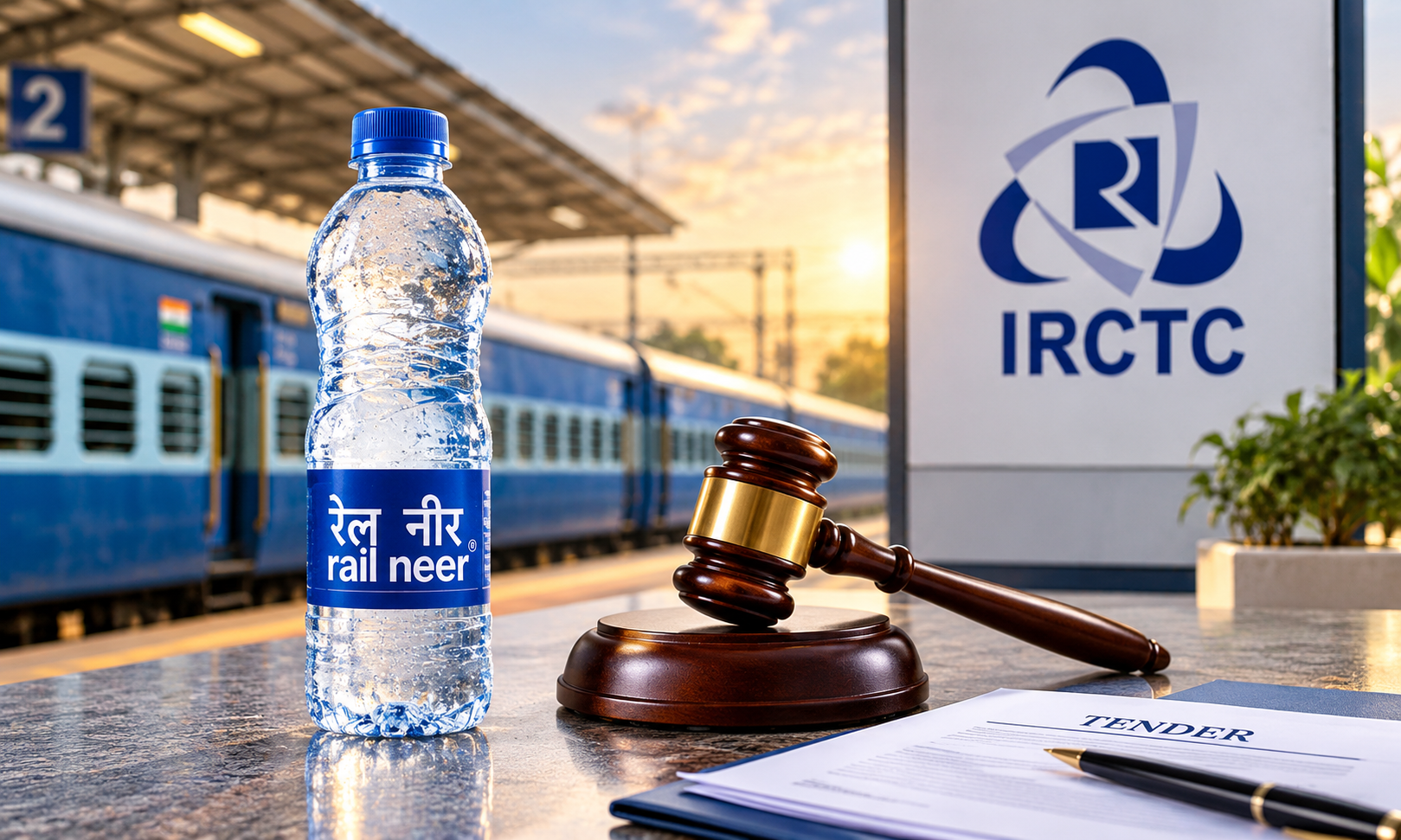
The IRCTC GST anti-profiteering case has resulted in an order directing the Indian Railway Catering and Tourism Corporation (IRCTC) to deposit ₹50.41 crore into consumer welfare funds. The GST Appellate Tribunal (GSTAT) found that the company had failed to pass on the benefit of a reduced tax burden on Rail Neer packaged drinking water to consumers.
According to IRCTC’s stock exchange filing dated 15 October 2026, the tribunal passed its final order on 14 October 2026, directing the company to deposit ₹50,41,44,461 within one month.
How the Case Began
The dispute followed a complaint alleging that IRCTC continued charging ₹15 per bottle of Rail Neer despite a reduction in the applicable tax burden after GST was introduced.
The Directorate General of Anti-Profiteering (DGAP) investigated the matter and quantified the alleged profiteering at ₹50.41 crore for the period from 1 July 2017 to 31 May 2020.
IRCTC’s Defence
IRCTC argued that the Ministry of Railways determines Rail Neer’s maximum retail price through official circulars, leaving the company unable to reduce prices independently. It also cited its mandate to provide drinking water to railway passengers.
However, the tribunal rejected these arguments. It also declined to exclude Rail Neer supplied free to passengers on premium services such as Rajdhani, Shatabdi and Duronto trains from the calculation.
Where Will the Money Go?
The amount must be deposited into the Central Consumer Welfare Fund and relevant State Consumer Welfare Funds, following the state-wise allocation in the investigation report. If a state or Union Territory lacks such a fund, its share, with applicable interest, will go to the Central fund.
Anti-profiteering provisions under GST are intended to ensure businesses pass on benefits from reduced tax rates or additional input tax credits to consumers. When individual buyers cannot be identified, consumer welfare funds provide an alternative to direct refunds.
The ruling highlights that public-sector companies may also face liability under GST anti-profiteering rules, even when pricing arrangements are influenced by government authorities.
IRCTC’s filing confirms the order, but the available information does not establish whether the company plans to challenge it. The ₹50.41 crore direction relates to the specified 2017–2020 period.
Source: https://shrts.in/keny1p596b
Disclaimer: This article is for information purposes only and is not investment advice.
For more such information, visit EQMint
Join our WhatsApp channel for timely updates: Whatsapp