
KKR’s Proposed ₹6,000 Crore Investment Puts India’s Clean Energy Sector in Focus
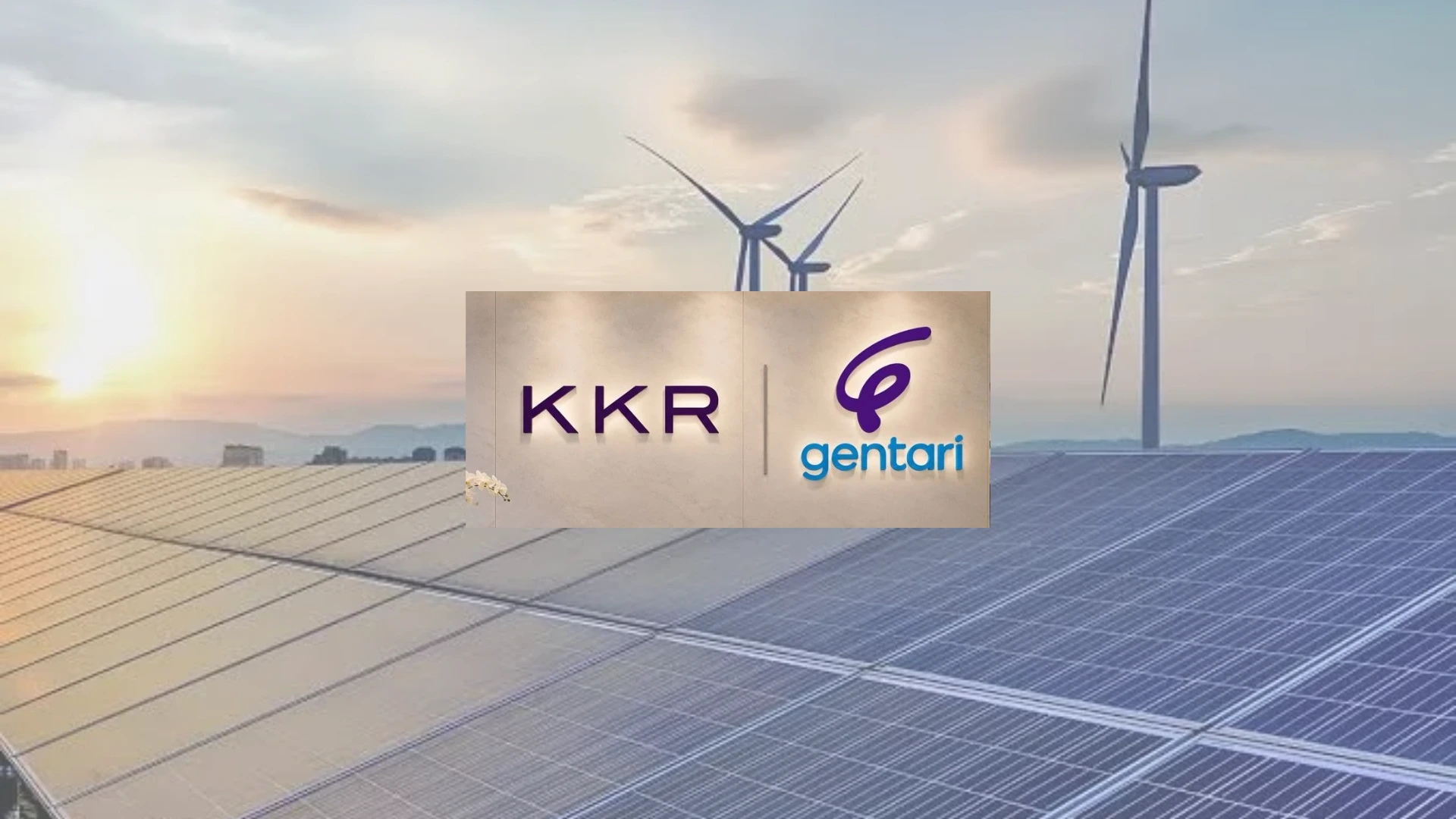
India’s clean energy sector continues to attract attention from global investors. The latest development involves global investment firm KKR clean energy investment in India , which is reportedly planning to invest more than ₹6,000 crore in Gentari Renewable India, the Indian renewable energy business of Malaysia-based energy group PETRONAS.
Author: Aadarsh Patel | EQMint
According to a report by The Economic Times published on October 19, 2026, the proposed investment could support Gentari’s renewable energy and green hydrogen projects, help reduce debt, and fund further expansion in India. The report also points to plans to acquire stakes in existing joint ventures. The investment should be treated as a reported plan rather than a completed transaction.
The potential deal comes as India expands its renewable energy capacity and businesses look for ways to reduce emissions, improve energy security, and meet sustainability commitments.
For investors, the opportunity extends across several connected industries. Renewable power generation, green hydrogen, plastic recycling, recycled textiles, and organised waste management each play a different role in India’s transition towards a lower-carbon economy.
What Is Gentari, and Why Is KKR Interested?
Gentari is a clean energy business established by PETRONAS. Its activities cover renewable energy, hydrogen, and green mobility, with solutions designed to help businesses reduce emissions and adopt cleaner energy sources.
Its renewable energy operations include solar, wind, and battery energy storage. These technologies can help businesses source cleaner electricity and manage fluctuations in renewable power generation.
Green hydrogen is another area of interest. Produced using renewable electricity, it can help reduce emissions in industries where replacing fossil fuels is difficult, including selected industrial processes and heavy transport applications.
KKR’s reported investment interest reflects the capital requirements of these projects. Renewable energy developers need substantial funding to build power plants, expand project portfolios, develop storage systems, and support emerging technologies.
If completed on the reported terms, the investment could give Gentari Renewable India additional financial support for its expansion plans.
Why KKR clean energy investment in India Sector Is Attracting Capital
India’s growing electricity demand, industrial activity, and climate commitments are creating demand for new energy infrastructure.
Solar and wind projects can help meet part of that demand. Battery storage can help manage the gap between when renewable electricity is generated and when customers need it. Green hydrogen could support emissions reduction in industries that face greater challenges in switching to cleaner energy.
Private investment can help finance these projects, particularly when developers need capital for construction, acquisitions, and long-term operations.
However, the sector also faces practical hurdles. Renewable energy projects depend on suitable land, transmission infrastructure, financing costs, equipment supply chains, and timely approvals. Green hydrogen projects must also develop reliable supply chains and attract customers willing to purchase the fuel.
The success of large investments will depend on how well companies manage these factors and turn planned capacity into operating projects.
India’s Green Economy Extends Beyond Renewable Power
Renewable energy is one part of the broader sustainability economy. India also needs better systems to collect waste, recycle materials, reduce landfill use, and return discarded resources to manufacturing.
This creates opportunities for companies working in the circular economy, where materials remain in productive use for longer through reuse, repair, and recycling.
Three Indian businesses illustrate this wider shift: Race Eco Chain, Rudra Ecovation, and GEM Enviro Management.
Their work differs from Gentari’s renewable power activities, but each addresses an environmental need that businesses and communities must manage as the economy grows.
1. Race Eco Chain: Building an Organised Plastic Recycling Supply Chain
Race Eco Chain Ltd works across plastic waste management, recycled products, and biomass briquettes. The company aims to organise waste collection and connect suppliers, processors, and recyclers through a more structured supply chain.
Its activities include plastic waste aggregation, material recovery, supplier networks, and digital systems designed to improve traceability. The company also works on recycled products and materials that can return to commercial use.
Organised waste collection is a key part of recycling. Manufacturers need a reliable supply of suitable waste material, while recyclers need consistent quality and traceable sourcing.
Race Eco Chain’s work addresses this supply-chain requirement. Better collection and sorting systems can help more plastic reach recycling facilities, where it can be processed into usable raw materials.
As businesses face greater expectations around waste management and producer responsibility, companies that connect waste suppliers with recyclers can play a role in expanding India’s circular economy.
2. Rudra Ecovation: Turning Plastic Bottles Into Recycled Textiles
Rudra Ecovation Ltd works in plastic recycling and recycled polyester manufacturing. Its operations convert discarded PET bottles into materials such as PET flakes, polyester fibres, yarns, and recycled textile products.
This process connects plastic waste management with the textile and manufacturing industries.
PET bottles can be collected, cleaned, processed into flakes, and converted into fibres. Those fibres can then be used in textile applications, including fabrics and other manufactured products.
Recycled polyester can help reduce demand for virgin raw materials and create a commercial use for recovered plastic. The overall environmental benefit depends on factors such as collection methods, processing requirements, energy use, product quality, and the ability to recycle materials again after use.
For fashion brands and textile manufacturers, recycled materials can also form part of their sourcing and sustainability strategies.
Rudra Ecovation’s business shows how recycling can create links between waste management and industrial production, extending the value of materials beyond their first use.
3. GEM Enviro Management: Helping Businesses Manage Waste and EPR
GEM Enviro Management Ltd provides waste management and sustainability services for businesses. Its work includes Extended Producer Responsibility (EPR), recycling, ESG consulting, Business Responsibility and Sustainability Reporting (BRSR), and plastic credit-related project services.
EPR rules place specific waste management responsibilities on producers, importers, and brand owners for products covered by relevant regulations. Businesses may need to meet registration, recycling, documentation, and reporting requirements.
GEM Enviro helps clients manage these responsibilities through services such as EPR registration, credit transfers, annual return filing, waste channelisation, and documentation support.
These services matter because waste management requires coordination between brands, collection networks, authorised recyclers, and regulatory systems.
By helping companies manage compliance and direct waste towards appropriate recycling channels, GEM Enviro works on the operational side of sustainability.
Its role differs from a renewable energy developer, yet it forms part of the wider infrastructure businesses need to manage their environmental responsibilities.
Clean Energy and Circular Economy: Two Connected Investment Themes
The reported KKR-Gentari investment and the activities of Race Eco Chain, Rudra Ecovation, and GEM Enviro point to different areas of India’s sustainability economy.
| Business | Main area | Role in sustainability |
|---|---|---|
| Gentari Renewable India | Renewable energy and green hydrogen | Develops cleaner energy solutions |
| Race Eco Chain | Plastic waste management and recycled products | Connects waste suppliers, processors, and recyclers |
| Rudra Ecovation | PET bottle recycling and recycled textiles | Converts plastic waste into fibres and textile materials |
| GEM Enviro Management | EPR, recycling, and sustainability services | Helps businesses manage waste obligations and reporting |
These businesses operate in different parts of the value chain. Gentari focuses on energy generation and related clean energy solutions, while the other companies work on materials recovery, recycling, textile production, and environmental compliance.
Together, these activities show the range of infrastructure required to support a lower-carbon economy.
Clean electricity can help manufacturers reduce the emissions associated with their energy use. Recycling can reduce the need for virgin materials in selected applications. Waste management services can help businesses meet regulatory obligations and improve the movement of waste into authorised recycling systems.
Each area requires investment in equipment, people, technology, logistics, and reliable business operations.
What the Investment Could Mean for India’s Green Economy
If the reported transaction proceeds, KKR’s investment could support Gentari Renewable India’s growth plans and add to the capital available for renewable energy and green hydrogen development.
For the wider market, the deal would be another sign of investor interest in India’s energy transition. Large infrastructure projects need long-term funding, and institutional investors can provide capital for expansion when they see a credible business case.
The circular economy also needs funding. Recycling plants require processing equipment and dependable material supplies. Waste management companies need collection networks and sorting facilities. Recycled textile manufacturers need production capacity and customers who value recycled materials.
For companies such as Race Eco Chain, Rudra Ecovation, and GEM Enviro, the broader shift towards sustainability creates opportunities tied to waste recovery, material reuse, and corporate compliance.
Their future growth will depend on factors such as demand, operating costs, regulatory requirements, access to quality materials, and their ability to build lasting relationships with customers.
The Road Ahead for Sustainable Businesses in India
India’s green economy is developing across several connected sectors. Renewable energy can support cleaner electricity supply, green hydrogen may help certain industries reduce fossil fuel use, and recycling businesses can return discarded materials to productive use.
The reported KKR investment in Gentari Renewable India brings the clean energy side of this shift into focus. Race Eco Chain, Rudra Ecovation, and GEM Enviro Management illustrate how Indian businesses are working on other parts of the sustainability value chain.
As capital flows into these areas, the long-term test will be execution: building projects, maintaining reliable operations, meeting regulatory requirements, and creating demand for sustainable products and services.
India’s transition will require work across energy, manufacturing, materials, and waste management. Each sector has a distinct role in building a more resource-efficient economy.
Frequently Asked Questions
1. How much is KKR reportedly planning to invest in Gentari Renewable India?
KKR is reportedly planning to invest more than ₹6,000 crore in Gentari Renewable India, according to The Economic Times report published on October 19, 2026. The proposed investment has been reported as a plan, and should not be described as a completed transaction without further confirmation.
2. What is Gentari Renewable India?
Gentari is a clean energy business established by PETRONAS. Its activities include renewable energy, hydrogen, and green mobility. Its renewable energy solutions include solar, wind, and battery energy storage.
3. What does Race Eco Chain do?
Race Eco Chain works in plastic waste management, recycled products, and biomass briquettes. Its activities include waste aggregation and supply-chain systems that connect waste suppliers with recyclers.
4. How does Rudra Ecovation support sustainability?
Rudra Ecovation processes PET bottle waste into materials such as PET flakes, polyester fibres, yarns, and recycled textile products. This creates industrial uses for recovered plastic.
5. What services does GEM Enviro Management provide?
GEM Enviro provides services related to Extended Producer Responsibility, recycling, waste management, ESG consulting, BRSR reporting, and plastic credit-related projects.
6. How are renewable energy and recycling connected?
Renewable energy can help reduce emissions from electricity use, while recycling can recover materials and reduce demand for virgin resources. Both contribute to broader efforts to reduce environmental impacts, although their benefits depend on how projects and processes are managed.
7. Why is private investment important for India’s sustainability sector?
Private investment can fund renewable energy projects, recycling facilities, equipment, waste collection networks, and new technologies. Commercial success depends on project execution, costs, regulation, and customer demand.
For more such information, visit EQMint
Join our WhatsApp channel for timely updates: Whatsapp