

Author: Nishtha Mehrotra | EQMint
Synopsis:
- Deepinder Goyal has defended his Temple wearable against doctors questioning its scientific credibility and brain-health claims.
- The device, reportedly priced at around ₹85,000, has faced criticism over its ability to accurately measure cerebral blood flow.
- Goyal says independent studies and scientific publications are in the pipeline as the debate over Temple’s technology intensifies.
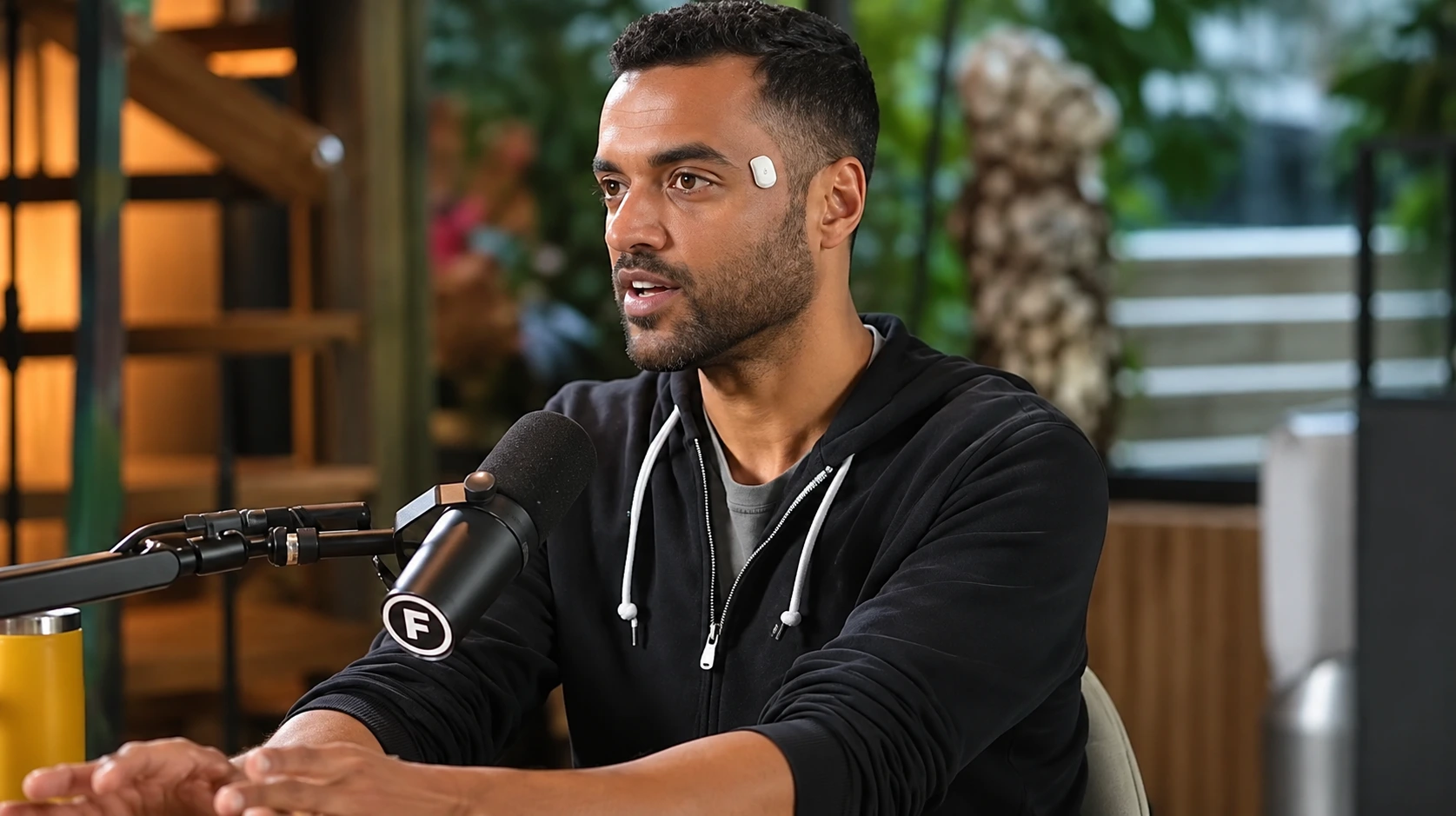
Deepinder Goyal, founder of Zomato and former Eternal CEO, has publicly defended his brain-health startup Temple after facing criticism from Indian doctors over the scientific basis of its wearable technology.
In a seven-point post on X addressed to “Concerned Indian Doctors”, Goyal challenged allegations that Temple was being marketed without sufficient scientific validation. The device, reportedly priced at approximately ₹85,000, is designed to track brain blood flow and a metric called Entropy, which the company associates with the body’s heat regulation.
The controversy centres on whether a sensor placed against the skin near the temple can accurately measure blood flow inside the brain. Hepatologist Dr Cyriac Abby Philips, popularly known as The Liver Doc, has questioned the technology and accused the company of making misleading claims.
Responding to the criticism, Goyal said Temple has cost approximately $30 million to develop, including $20 million of his personal investment. He also highlighted its 14-day return policy, customer participation in funding and plans to publish pre-print research followed by peer-reviewed studies.
However, the founder’s defence has not directly settled the central scientific question: whether the device’s measurements are independently accurate.
Goyal has indicated that further research and independent testing will follow as more devices reach customers. He has also hinted at additional features that have not yet been publicly disclosed.
The debate puts Temple under scrutiny at a time when consumer technology is increasingly entering the health and wellness space. Whether its scientific claims can withstand independent validation will be crucial to establishing credibility among consumers and the medical community.
Disclaimer: This article is for information purposes only and is not investment advice.
For more such information, visit EQMint
Join our WhatsApp channel for timely updates: Whatsapp.