
Author: Nishtha Mehrotra | EQMint
Synopsis:
- NCLT Mumbai declares former Videocon promoter Venugopal Dhoot bankrupt over personal guarantees linked to SBI loans.
- SBI’s outstanding claims exceed ₹12,668 crore, including term loans, working capital and telecommunications facilities.
- A proposed ₹600 crore settlement was rejected, leaving Dhoot’s assets subject to bankruptcy proceedings.
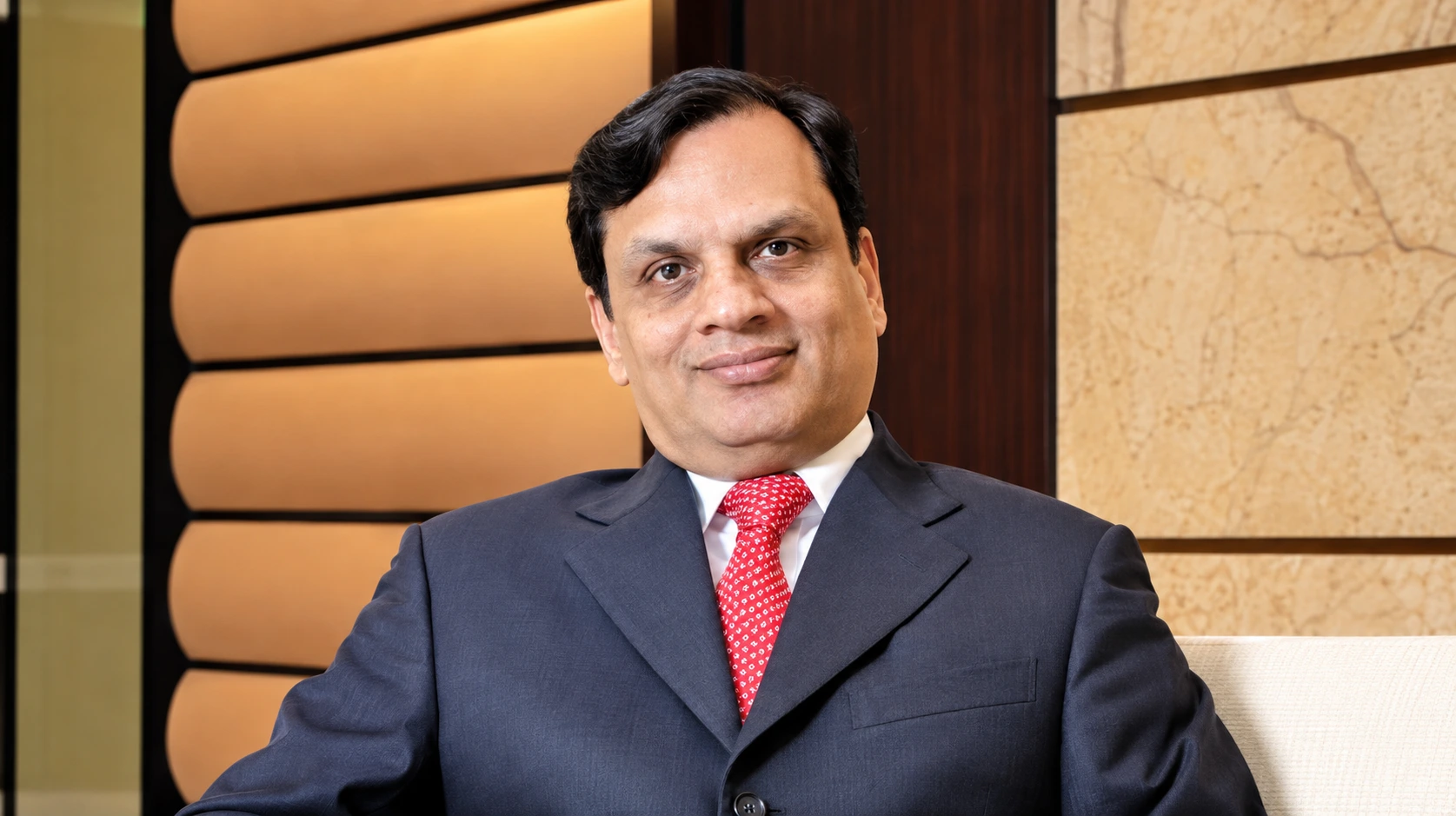
On November 5, 2026, the National Company Law Tribunal (NCLT), Mumbai, declared former Videocon promoter Venugopal Dhoot bankrupt, bringing his personal financial liabilities linked to the group’s borrowing back into focus.
The proceedings stem from personal guarantees Dhoot provided against loans extended by State Bank of India (SBI) to Videocon group companies. SBI invoked the guarantees following defaults in February 2018. Although Videocon Industries entered corporate insolvency proceedings in June 2018 and Twin Star Technologies’ resolution plan was approved in 2021, the personal guarantee obligations continued separately.
SBI’s Outstanding Claims
As of September 30, 2026, SBI’s claims against Dhoot, including interest and penalties, stood at approximately ₹12,668 crore. The outstanding amounts comprise:
- ₹9,322.10 crore towards rupee term loans.
- ₹1,908.19 crore towards working capital facilities.
- ₹1,437.76 crore towards Videocon Telecommunications.
₹600 Crore Settlement Rejected
Dhoot had proposed a settlement of ₹600 crore, payable over 36 months through proceeds from a real estate project in Siliguri. However, the proposal did not include an upfront payment and depended on future approvals and project cash flows.
Creditors declined the proposal, and the NCLT rejected it on July 17, 2026.
What Happens Next?
Following the bankruptcy order, Asish Narayan has been appointed as the bankruptcy trustee. Dhoot’s estate will vest in the trustee, who will oversee the process of realising and distributing assets among creditors. Dhoot has also been directed to submit his financial position within seven days.
The development highlights the continuing consequences of personal guarantees in corporate lending. Even after a company’s insolvency resolution, promoters who personally guarantee borrowings can remain liable for outstanding obligations. For lenders, the proceedings represent another route to pursue recoveries beyond the corporate insolvency process.
Disclaimer: This article is for information purposes only and is not investment advice.
For more such information, visit EQMint
Join our WhatsApp channel for timely updates: Whatsapp