
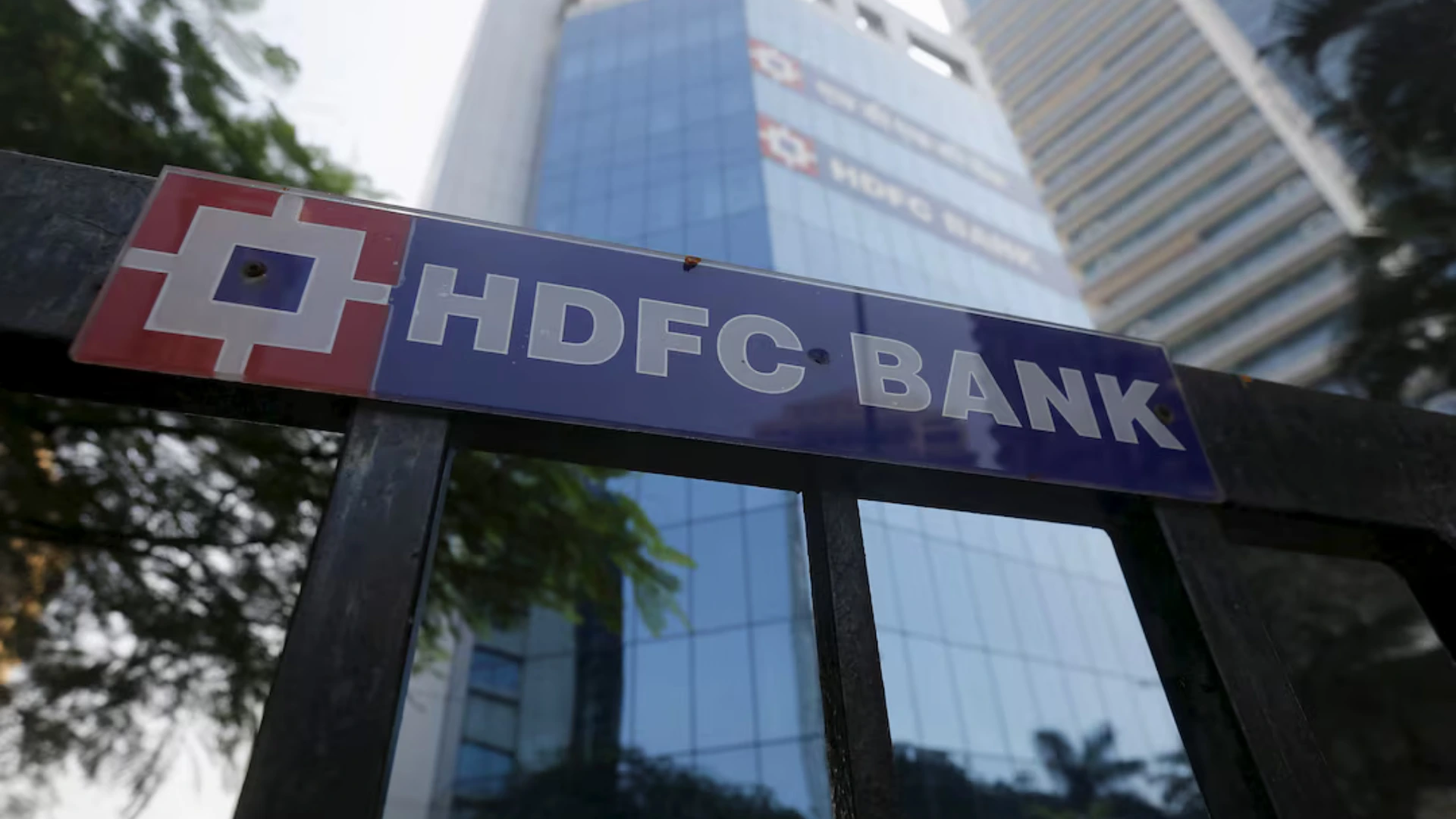
May 27, 2026: HDFC Bank shares came under pressure after reports suggested the private lender has been offering higher payouts to attract large deposits from institutional and high-value customers.
Author: Aadarsh Patel | EQMint
The stock slipped as investors worried that aggressive deposit mobilisation could increase funding costs and pressure margins in the coming quarters.
The report highlighted that the bank has been competing aggressively for bulk deposits at a time when liquidity conditions in the banking system remain tight.
Why is this important?
For banks, deposits are the raw material of growth.
But if banks start paying significantly higher rates to attract deposits, profitability can get impacted because the cost of funds rises faster than loan yields.
That creates pressure on:
- Net Interest Margins (NIMs)
- profitability growth
- treasury management
- overall banking spreads
Investors appear concerned that HDFC Bank may need to continue aggressive deposit pricing to maintain growth momentum after the HDFC merger.
What the market is watching now
Analysts will closely monitor:
- deposit growth trends
- CASA ratio movement
- NIM guidance
- loan growth sustainability
- management commentary in upcoming quarters
The market also wants clarity on whether this is a temporary liquidity-management strategy or a longer-term trend.
EQMint analysis
This is less about panic and more about profitability quality.
HDFC Bank remains one of India’s strongest private sector banks structurally. But after the HDFC merger, the street has become extremely sensitive to anything related to deposit costs and margins.
If the bank keeps gaining deposits but at a higher funding cost, earnings growth may not expand as quickly as investors previously expected.
That’s why even small reports around deposit pricing now move the stock sharply.
The bigger question is whether this pressure remains temporary until liquidity normalises, or becomes a sustained challenge for the banking sector overall.
For more such information visit EQMint
Join our Whatsapp channel for timely updates: Whatsapp
Disclaimer: This article is not an investment advice and is for educational purpose only