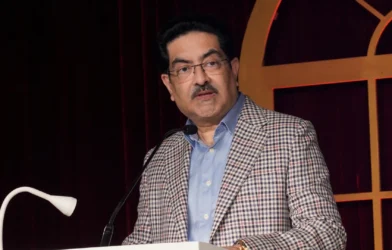

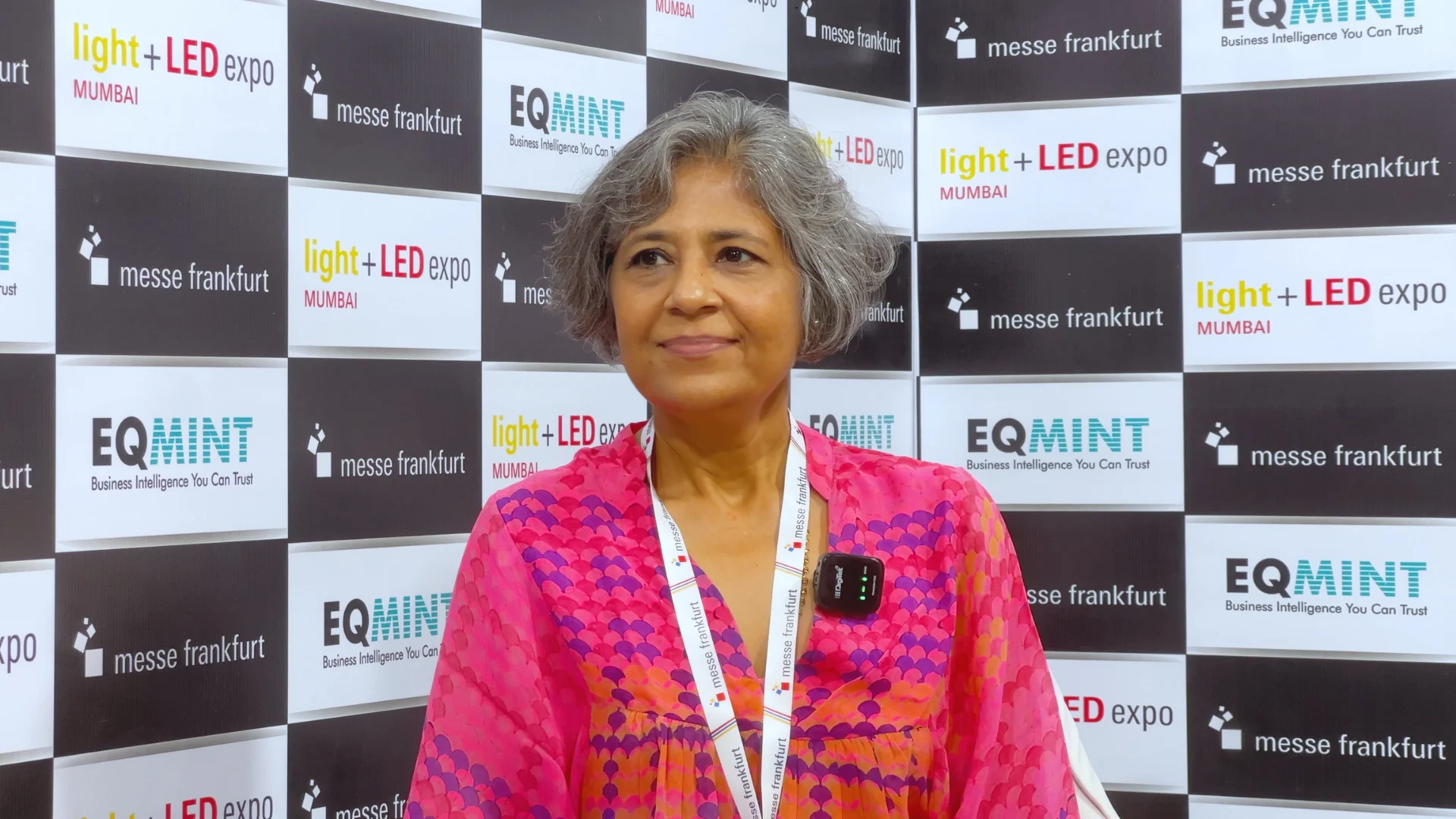
June 09, 2026: Speaking on the EQMint Impact Individuals podcast at the Light + LED Expo in Mumbai, Katyayani Agarwal of the Indian National Trust for Art and Cultural Heritage (INTACH) shared her perspective on why preserving India’s cultural legacy is essential to building a sustainable future.
Author: Aadarsh Patel | EQMint | EQ Exclusive
As Indian cities continue to expand, the tension between development and preservation is becoming increasingly visible.
Historic neighborhoods are making way for modern infrastructure. Traditional crafts are struggling to survive. Cultural landmarks face mounting pressure from rising land values and rapid urbanization. Yet heritage experts argue that development and conservation do not have to exist in opposition.
The role of INTACH in preserving India’s heritage
For more than four decades, INTACH has played a central role in heritage conservation in India.
“It is a huge fight that we have with the land developers. Because for them, an old structure is an old structure which is of no use, and it has to be brought down and rebuilt. So it’s a constant fight, I wouldn’t even call it a fight, I call it a war.” — Katyayani Agarwal, INTACH
The organization works alongside institutions such as the Archaeological Survey of India (ASI), but with a broader focus that extends beyond nationally protected monuments.
Its mission includes preserving both tangible and intangible heritage. While historic buildings and monuments represent visible heritage, intangible heritage includes traditions, folklore, crafts, culinary practices, music and community knowledge passed down through generations.
According to Katyayani Agarwal, protecting these cultural assets is critical because they form the foundation of identity and collective memory.
The growing challenge of urban development
One of the biggest challenges facing heritage conservation in India is the growing pressure from real estate development. Historic buildings are often viewed as obstacles to commercial expansion, particularly in cities where land values continue to rise.
Katyayani Agarwal described the ongoing struggle between conservationists and developers as one of the most difficult aspects of heritage work. However, she emphasized that conservation is not about preventing development.
The objective is to integrate heritage into modern urban planning.
Historic havelis, colonial-era structures and traditional neighborhoods can be adapted into:
- Boutique hotels
- Cultural centers
- Museums
- Commercial spaces
- Community hubs
This approach allows cities to retain their historical identity while supporting economic growth.
Reviving a 700-year-old papermaking tradition
One of INTACH’s most remarkable projects is taking place near the Ellora Caves. A village with a 700-year-old tradition of handmade papermaking was facing the possibility of losing its craft forever. Only three master artisans remained. INTACH stepped in to revive the practice.
Today, the artisan base has expanded to nearly 30 skilled craftspeople who continue to use centuries-old techniques and tools. The initiative is also helping establish India’s first museum dedicated to the history and evolution of paper.
For Agarwal, paper represents one of humanity’s most important inventions. From education and governance to religion and communication, paper has played a central role in shaping civilization.
The living stories of Shekhawati
Another major conservation effort is underway in Rajasthan’s Shekhawati region. Known for its richly decorated havelis, the area contains extraordinary fresco paintings that document changing social, cultural and political realities across generations.
Agarwal refers to these frescoes as the “magazines of their time.”
The artwork captures everything from religious imagery and local traditions to freedom fighters, foreign influences and technological advancements. These visual narratives provide historians with valuable insights into how communities understood and recorded their world.
Why lighting matters in heritage conservation
The conversation took place at the Light + LED Expo, making it impossible to ignore the relationship between lighting and preservation. Modern lighting technology has become an important tool in heritage conservation.
LED systems help illuminate historical structures while minimizing damage. In museums, specialized lighting solutions protect delicate artifacts by controlling ultraviolet exposure and heat generation.
For conservation professionals, lighting is no longer just about visibility. It is a critical component of preservation strategy.
Looking inward for inspiration
As India continues to embrace global ideas and innovation, Agarwal believes there is tremendous value in exploring the country’s own cultural landscape. India’s heritage assets contain stories, artistic traditions and entrepreneurial lessons that often remain overlooked.
From ancient craftsmanship to regional architecture, there is a vast reservoir of knowledge waiting to be rediscovered. She also encouraged businesses to consider cultural preservation as part of their corporate social responsibility efforts, creating stronger connections between economic development and heritage protection.
Conclusion
The conversation with Katyayani Agarwal serves as a reminder that heritage conservation in India is not simply about preserving old buildings. It is about protecting stories, skills, traditions and identities that have shaped communities for generations.
Organizations such as INTACH are demonstrating that progress and preservation can move forward together when supported by thoughtful planning and long-term commitment. As India builds the cities of tomorrow, ensuring that history remains part of that journey may prove just as important as the infrastructure being constructed today.
For more such information visit EQMint
Join our Whatsapp channel for timely updates: Whatsapp