

June 23, 2026: For years, India’s Micro, Small and Medium Enterprises (MSMEs), have relied on the Indian credit system for its growth and expansion. It’s been the epitome of the country’s growth. MSME contribute nearly 30% of GDP, providing employment to millions. Over the past few years, a combination of government initiatives, digital lending platforms, and increased participation by banks helped fuel a rapid rise in MSME financing.
Author: Tavisha Kanodia | EQMint | General News
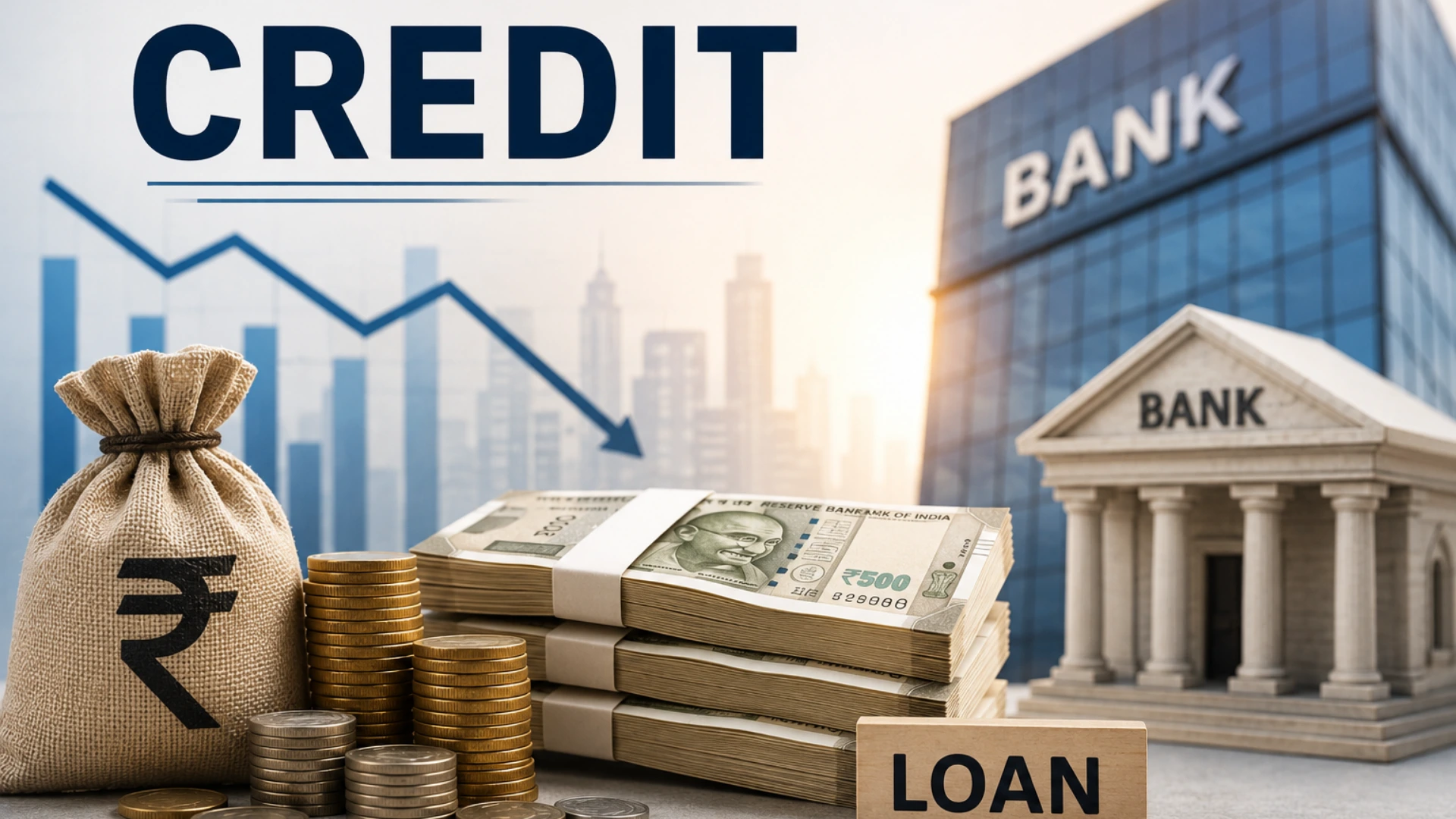
However, recent data suggests that this graph may be beginning to slow. According to a recent report by 360 ONE Capital citing CRIF High Mark data, MSME loan growth moderated to 12.8% year-on-year in April 2026, while the pace of portfolio expansion between December 2025 and April 2026 slowed sharply compared to the previous year. More importantly, the number of active loans declined by 3.5%, showing that the story is no longer just about slower growth but about changing lending behaviour across the sector.
At the end of April 2026, the total outstanding MSME loans were, approximately around Rs 46 trillion. However, a much closer look reveals that there has been a sudden slowdown in the growth of the credit. The credit portfolio grew just a minimum of 3.1% between Dec ’25 and Apr ’26, a (sudden) drops from 9.7% growth in the same period of the previous year. The fall in the active loans is even more concerning.
While the active loan accounts grew by about 3% in the same period last year, this year they fell by 3.5%. A decline in the growth of active loans signals that banks are becoming more cautious and that lenders may be exercising more critical thinking in their lending decision making. The banks are less focused on quantity of loans and more on the quality of the loans, which is indicative of the advanced stage of the post-pandemic recovery.
The slowdown has been most visible in manufacturing and trading sectors, together accounting for more than 60% of outstanding MSME credit. This is significant, because these industries form the foundation of India’s small-business economy. Manufacturing MSMEs play a vital role in supply chains ranging from textiles and engineering goods to automotive components and food processing. Trade enterprises, meanwhile, act as vital intermediaries connecting producers and consumers across the country. According to CRIF, the moderation in granting may be linked to growing global uncertainty.
Slower growth in international markets, fluctuating commodity prices, geopolitical tensions, and evolving trade dynamics have created an environment where both lenders and businesses are reassessing risk. For export-oriented MSMEs, uncertainty in global demand can directly affect revenue expectations, making banks more cautious when extending fresh advance. As a result, sectors that traditionally absorbed the largest share of MSME financing are now experiencing the sharpest decline in growth.
The latest data is not about the possible crisis in the MSME sector, but indicates that banks are transitioning from a period of aggressive credit expansion to that of prudent credit growth. For years, banks have been known for the ever-widening loan factor, with lending at a quick speed, even when it led to denials of necessary borrowing to the sector. The actions of the Credit Rating Agencies in the last few years have further pushed banks to become cautious about existing lending risks. This has now evolved into a phase where banks are focusing on the quality of their credit portfolios and not on the speed of disbursement. That might translate into strengthening banks’ underwriting methodology with regards to weaker MSMES.
On the strong and well-networked MSMEs, banks continue to offer loans facilities as they always have whereas, weaker enterprises that are more likely to default on borrowing repayment will see more scrutiny from banks in terms of higher enough rates of interest to compensate for the higher default risk. Although India has long been considered the manufacturing and export hub of the world and a lightning beam of digital economy of the future, India’s growth prospects could still be impacted as the slowdown in credit growth could possibly cease out investment for capacity expansion and job creation.
or more such information visit EQMint
Join our Whatsapp channel for timely updates: Whatsapp
Disclaimer: This article is not an investment advice and is for educational purpose only.