
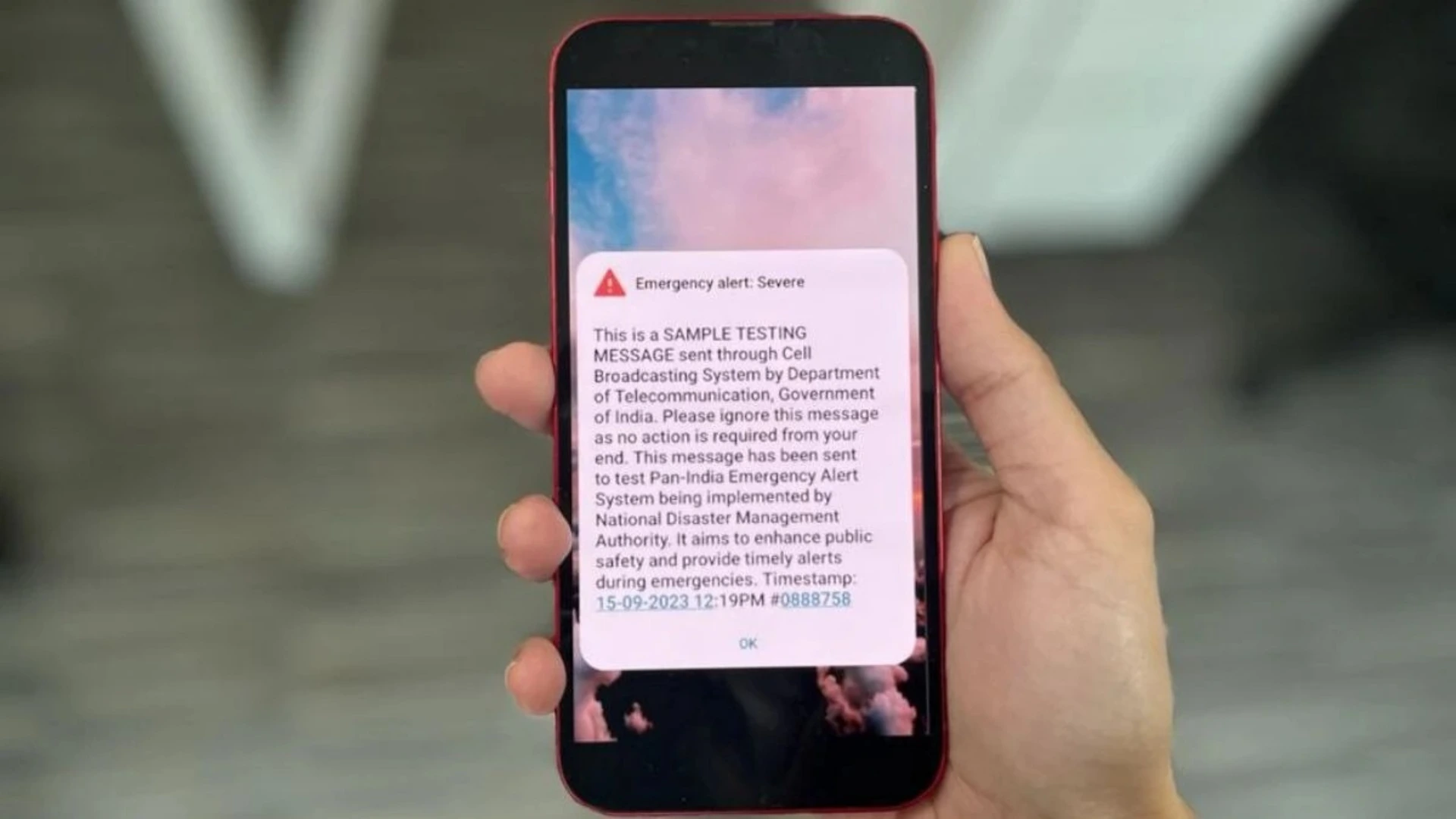
May 2, 2026 : Millions of smartphone users across India were surprised after receiving a loud emergency warning notification from the National Disaster Management Authority (NDMA) alert SMS.
Author: Aadarsh Patel | EQMint
For many people, the sudden NDMA Alert SMS created confusion and panic. But the government says there is no immediate danger.
Instead, India is testing a nationwide emergency warning system designed to deliver real-time disaster alerts directly to mobile phones during critical situations like:
- earthquakes
- tsunamis
- cyclones
- floods
- extreme weather events
And this NDMA Alert SMS may quietly become one of India’s most important public safety upgrades in years.
Why the NDMA Alert SMS Appeared Suddenly
The NDMA Alert SMS was part of a government-led test of the Cell Broadcast Alert System. Unlike normal SMS messages, these alerts are designed to:
- bypass network congestion
- appear instantly on phones
- grab attention through loud sounds and vibration
That’s why many users noticed:
- alarm-like tones
- full-screen warnings
- emergency notification pop-ups
even when their phones were silent.
Why India Is Expanding Emergency Alerts Now
India remains one of the world’s most disaster-prone countries.
From:
- floods in northern states
- cyclones along coastal regions
- earthquakes in Himalayan zones
- extreme heatwaves
the need for faster public communication has become increasingly urgent.
Traditional warnings often:
- arrive too late
- fail during network congestion
- miss large populations
This new system aims to solve that problem.
The Bigger Goal Isn’t Technology — It’s Faster Survival Information
The real purpose of the NDMA Alert SMS is simple:
reach people before disaster spreads.
In emergencies, even a few minutes of warning can:
- save lives
- reduce panic
- improve evacuation speed
- help emergency response teams
Countries like:
- Japan
- the United States
- South Korea
already use similar large-scale mobile alert systems regularly. India is now moving in the same direction.
Why Some Users Panicked
One major issue during the test was lack of public awareness.
Many people:
- thought their phones were hacked
- feared a national emergency
- assumed cyberattacks or security threats
Social media quickly filled with confusion after the alerts appeared. That reaction itself highlights why awareness campaigns may become just as important as the technology.
How the New Alert System Actually Works
The system uses cell broadcast technology, which allows authorities to send alerts to:
- all compatible devices in a specific area
- without needing individual phone numbers
This makes it:
- faster than SMS
- scalable during emergencies
- effective even during high network traffic
Will People Continue Receiving These Alerts?
Possibly yes. The government is expected to continue:
- testing the system regionally
- improving compatibility across devices
- expanding disaster communication infrastructure
Future test alerts may appear periodically as the system evolves.
Why This Matters More Than People Realize
India’s digital infrastructure is growing rapidly. But emergency communication systems have often lagged behind.
This alert test signals something bigger:
India is trying to build real-time national safety communication at scale.
And in a country of over a billion people, that capability could become critical during future disasters.
EQMint Take
The NDMA alert may have confused millions initially, but the larger objective is serious and important. In an era of increasing climate and disaster risks, fast mobile-based warning systems could become one of the most valuable public safety tools India has ever implemented, read more Political news.
For more such information visit EQMint
Join our Whatsapp channel for timely updates: Whatsapp
Disclaimer: This news is for educational purpose only.