
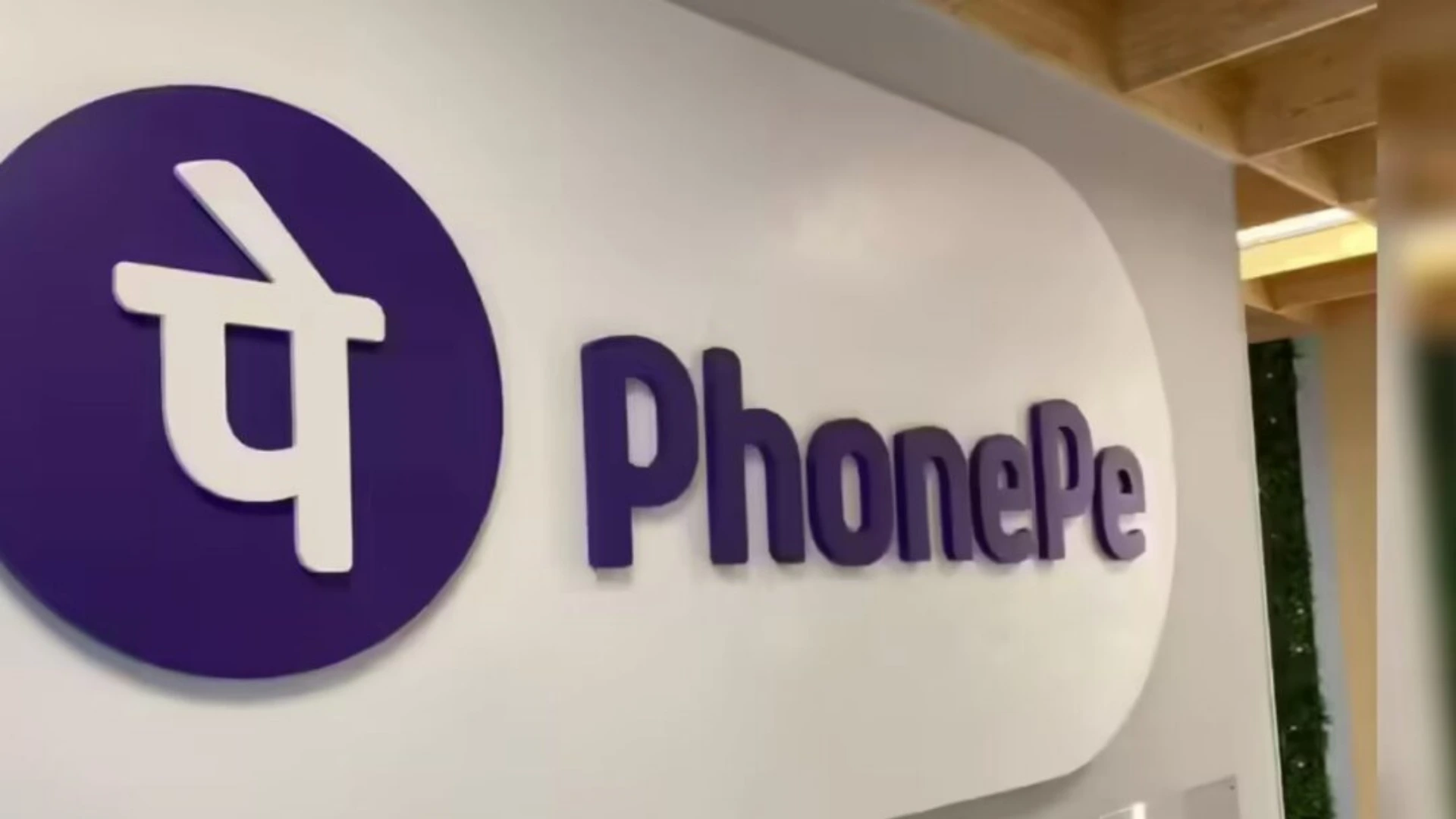
PhonePe IPO, Valuation, Date and Whether It Is Worth Subscribing
May 26, 2026: PhonePe filed its updated DRHP with SEBI on 21 January 2026. The IPO was supposed to open by April 2026 at a $15 billion valuation. Then it didn’t.
Author: Aditya Pareek | EQMint
By mid March 2026, PhonePe had paused the listing. Geopolitical tensions, FII outflows, governance questions and a valuation that bankers found hard to defend. The IPO is now expected sometime in H2 2026 at a meaningfully reduced size.
Here’s the current state of the PhonePe IPO, what changed and the case for and against subscribing when it eventually opens.
Where things stand as of May 2026
PhonePe filed its confidential DRHP in September 2025. SEBI approval came on 20 January 2026. The Updated DRHP (UDRHP) followed on 21 January.
Original plan: raise around $1.5 billion (₹12,000 crore) at a valuation of $14.5 to 15 billion.
Revised plan after the March 2026 pause: raise $900 million to $1.05 billion at a valuation of $9 to 10.5 billion. That’s roughly a 33% haircut from the original target.
The IPO is structured as 100% Offer for Sale. PhonePe will not raise fresh capital. Walmart and other existing shareholders will sell down their stakes.
No fresh date has been announced. Market chatter points to H2 2026 once geopolitical conditions stabilise and listed peer valuations recover.
What investors are actually buying
PhonePe is the largest UPI player in India. Real scale, real moat.
By February 2026, the platform was processing roughly 9.3 billion UPI transactions per month worth ₹13.1 trillion. Market share sits at around 46% of all UPI volumes, ahead of Google Pay and Paytm. The registered user base has crossed 650 million. Merchant network is above 40 million.
The product is sticky. 99.23% 30 day retention rate as of September 2025. Habitual users (30+ transactions per month) crossed 41% of monthly actives in March 2025, up from 28% two years earlier. Average transactions per customer rose from 25.5 in FY23 to 38.3 in H1 FY26.
That’s the bull case in one paragraph. Massive scale, sticky usage, deepening engagement.
The bear case sits in the financials.
The numbers
Revenue is growing. FY25 revenue hit ₹7,115 crore, up 40% YoY. From FY23 to FY25, revenue compounded at 56% CAGR. H1 FY26 revenue grew around 22%, so growth has moderated but stayed double digit.
Payments still dominate the mix. The payments business contributed ₹3,231.7 crore in H1 FY26, more than 82% of total revenue.
Losses are the problem. H1 FY26 net loss widened 20% YoY to ₹1,444 crore. FY25 reported a positive adjusted EBITDA of ₹1,477 crore. The gap between “adjusted EBITDA positive” and “still losing ₹1,444 crore in six months” is where the governance questions live.
That gap is mostly ESOPs. Between FY23 and H1 FY26, PhonePe granted ESOPs worth ₹17,810 crore. Only ₹8,421 crore has been charged to the P&L so far. The remaining ₹9,389 crore (roughly $1 billion) sits as a future expense waiting to hit earnings.
Macquarie Research pegged H1 FY26 ESOP expenses at 46% of revenue. For context, Paytm’s ESOP cost ratio is 2.3% and Pine Labs sits at 7.5%. PhonePe runs ESOP costs roughly 20x higher than listed fintech peers, as a percentage of revenue.
What the IPO pause is actually about
Four things hit at once in March 2026.
Markets cracked. Geopolitical tensions in West Asia, oil above $100, FII outflows of $877.5 million on 16 March 2026 alone. Indian benchmarks fell into a double digit drawdown. 7 of 11 mainboard IPOs that listed in 2026 had opened at a discount. The window closed.
Bankers got nervous on valuation. At $15 billion, PhonePe was being priced at roughly 43x revenue. That’s expensive for any payments business globally, let alone one still posting widening losses.
Governance concerns surfaced. A $1 billion ESOP liability that hasn’t hit the P&L, a $600 million secondary transaction with General Atlantic in September 2025 that drew scrutiny and apparent disconnects between public filings and private management communication. None of these are showstoppers individually. Together, they made anchor investors cautious.
NPCI’s 30% UPI cap is still pending. NPCI has proposed that no single third party app should handle more than 30% of total UPI transaction volume. PhonePe sits at 46%. The deadline has been pushed to December 2026, but the cap remains on the table. If enforced strictly, it would directly cap PhonePe’s largest revenue line.
Three reasons to subscribe
The UPI moat is real. 46% market share with 99% retention is the kind of number competitors cannot easily replicate. Even with the NPCI cap risk, PhonePe controls customer relationships that competitors have spent billions trying to win. That franchise has structural value.
The diversification story is starting to work. Insurance distribution, wealth management (Share.Market), merchant lending and ad revenue are all scaling. These are higher margin lines than UPI. If PhonePe can shift 20% of revenue to these segments by FY28, the P&L looks fundamentally different.
The valuation reset helps. $9 to 10.5 billion is closer to fair value for a business with these financials than $15 billion was. The IPO will price at multiples that allow listed market upside, instead of pricing in three years of perfect execution upfront.
Three reasons to be careful
The NPCI cap is an existential risk. A regulatory rule that directly caps your market share is the rare risk that no business plan can route around. The December 2026 deadline could be extended again or could be enforced. PhonePe’s response (slow user onboarding, throttle transactions) directly hits the growth story.
Profitability is still distant. Even with the headline adjusted EBITDA positive print, real profitability that includes ESOPs is at least 18 to 24 months away. Public market investors in 2026 want profits now. Paytm took 3 years to recover from its IPO precisely because the market punished delayed profitability.
OFS only structure. PhonePe isn’t raising fresh capital. Existing shareholders are exiting. Walmart, in particular, has held this asset for 8 years and is now monetising. The signal value of an experienced majority shareholder selling into the IPO matters.
How retail investors should approach this
Wait for the final RHP. The UDRHP filed in January is being revised. The actual price band, ESOP disclosure detail and updated financials through Q3 or Q4 FY26 will all matter materially.
Read the risk factors before the financials. PhonePe’s UDRHP risk section is long. The NPCI cap, the RBI inspection findings, the sponsor bank concentration (Yes Bank, Axis, ICICI), the ESOP overhang and the regulatory headwinds in adjacent businesses (RBI rules on credit card rent payments, gaming app restrictions) all matter.
Compare to Paytm’s listing journey. Paytm listed at ₹2,150 in November 2021. The stock fell 75% over the next 18 months before recovering. PhonePe is a stronger business than Paytm was in 2021, but the listing dynamics will look similar. Anchor investors will price defensively. Day one euphoria is unlikely.
Apply with a 3 to 5 year horizon. PhonePe is a long term franchise bet. Trade the listing only if you can stomach a 40% drawdown in year one without selling.
Watch the sponsor bank situation. PhonePe depends on Yes Bank, Axis and ICICI for UPI rails. Any change in commercial terms with these partners would hit the cost structure immediately.
How this compares to other fintech IPOs
Paytm listed at $20 billion in November 2021. Today it trades at around $4 billion. Investors who applied at the IPO are still underwater 4 years later, though those who bought near the bottom have done well.
MobiKwik parent OneMi Technology just filed. Smaller scale, narrower business, more conservative valuation.
PhonePe sits between these. Scale much larger than MobiKwik, business model healthier than 2021 Paytm. The financial profile (still loss making, heavy ESOPs, regulatory exposure) rhymes with both.
The IPO pricing relative to revenue will tell you what anchor investors actually believe.
FAQ
When will the PhonePe IPO open? No confirmed date. The IPO was paused in March 2026 and is expected to relaunch in H2 2026, subject to market conditions.
What is the expected valuation? Revised down to $9 to 10.5 billion from the original $15 billion target. Final pricing will be in the RHP.
Is the IPO a fresh issue or OFS? 100% Offer for Sale. PhonePe will not raise any new capital. Existing shareholders, including Walmart, will sell part of their holdings.
Is PhonePe profitable? No. The company reported a net loss of ₹1,444 crore in H1 FY26. Adjusted EBITDA was positive in FY25, but that figure excludes ESOP costs that total roughly $1 billion in future expenses.
Will PhonePe list on both NSE and BSE? Yes. Dual listing on both mainboards, standard structure for large Indian IPOs.
EQMint is not a SEBI registered investment adviser. This article is for informational purposes only and is not investment advice. Always read the RHP and consult a SEBI registered advisor before applying for any IPO.
For more such information visit EQMint
Join our Whatsapp channel for timely updates: Whatsapp