
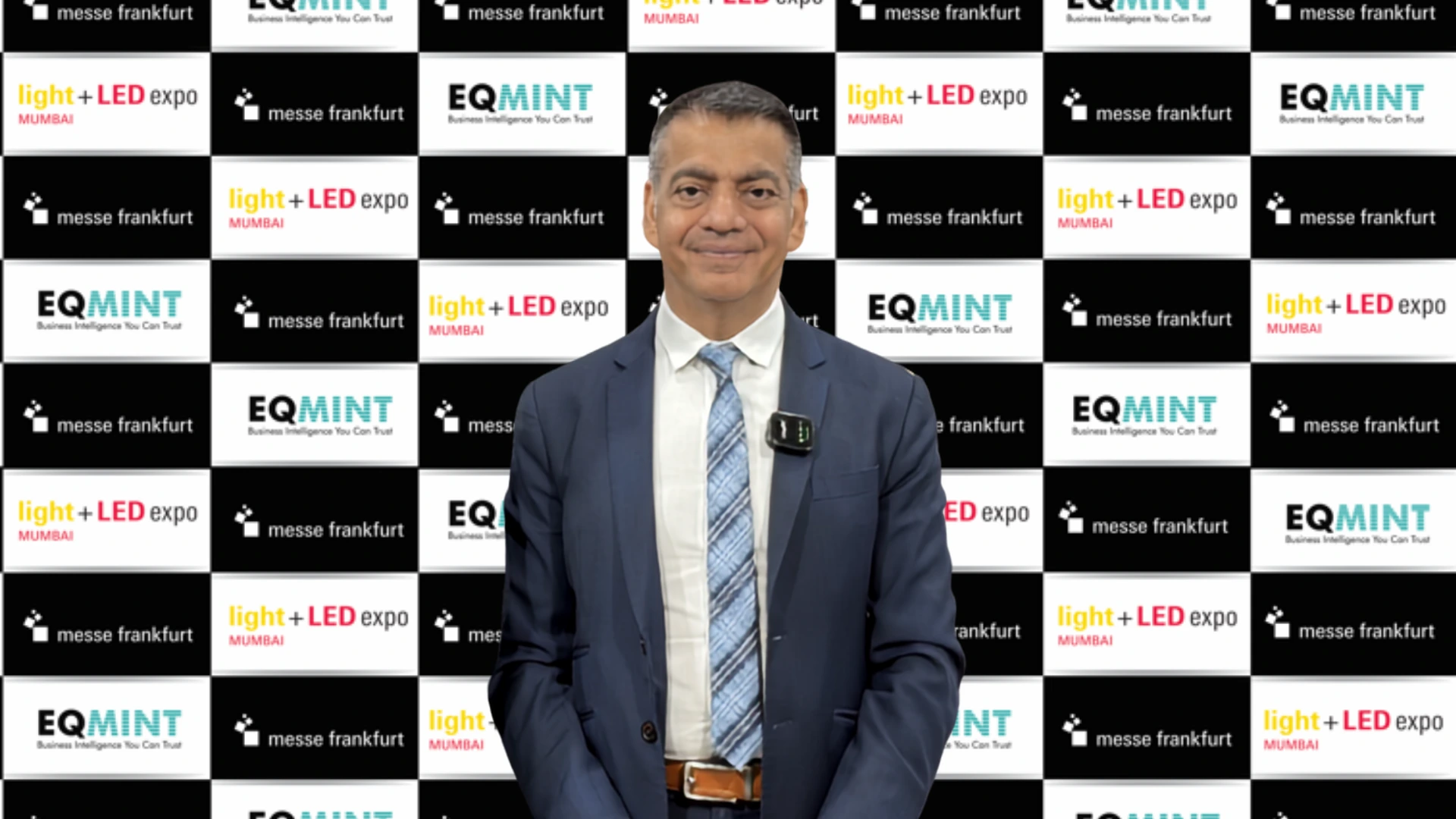
June 11, 2026: In a recent episode of the EQMint Podcast, Raj Manek, Executive Director and Board Member of Messe Frankfurt Asia Holdings Limited, shared his insights on the evolution of India’s exhibition industry, the role of trade shows in economic development, and the opportunities emerging from sectors such as Artificial Intelligence and Power Electronics.
Author: Aadarsh Patel | EQMint | EQ Exclusive
India’s exhibition industry is experiencing unprecedented growth, evolving from an emerging market into a globally competitive business ecosystem. As international trade shows become increasingly important for networking, exports, innovation, and investment, India is rapidly positioning itself as one of the most attractive exhibition destinations in the world.
With decades of experience spanning finance, operations, and international business strategy, Manek offers a unique perspective on why India is becoming a major force in the global exhibition landscape.
From Finance Professional to Exhibition Industry Leader
Raj Manek’s entry into the exhibition business was anything but conventional.
Beginning his career as an accountant with P&O Exhibitions in London, he was initially assigned the task of reducing labor costs. Instead of making decisions from behind a desk, he spent months working directly with labor teams involved in constructing exhibition stands.
This hands-on experience revealed that the real challenge wasn’t labor costs but inefficient purchasing processes.
By identifying and addressing the root cause, he successfully transformed a loss-making business unit into a profitable operation while preserving jobs and improving efficiency. More importantly, it sparked a lifelong passion for the exhibition industry.
India’s Exhibition Industry Has Reached Global Standards
Having worked across mature markets such as Europe, fast-growing economies like China, and complex regions including post-Soviet Russia, Raj Manek has witnessed firsthand how India’s exhibition ecosystem has matured.
When he joined Messe Frankfurt in 2009, the company managed only one exhibition in India.
Today, that portfolio has expanded significantly, reflecting India’s growing importance in the global exhibition space.
“I would walk into an exhibition in India and then I’d walk into an exhibition in Frankfurt and I can tell you I see no difference.” — Raj Manek
According to Manek, Indian exhibitions now match international standards in:
- Infrastructure quality
- Exhibition design
- Innovation showcases
- Professional execution
- Global participation
This progress has been driven by significant investments in exhibition venues and the increasing sophistication of Indian exhibitors.
Why Exhibitions Remain Powerful Business Accelerators
One of the most compelling aspects of exhibitions is their ability to create equal opportunities for businesses of all sizes.
Trade shows provide a platform where startups and large corporations can compete side by side, often generating transformational business opportunities.
“Just three days in the right place can change the trajectory of your business plan.” — Raj Manek
For many companies, exhibitions serve as gateways to:
- Export markets
- Strategic partnerships
- New customers
- Industry visibility
- Investor engagement
The impact often extends far beyond the exhibition floor.
The Economic Multiplier Effect of Trade Shows
Exhibitions contribute significantly to local and national economies.
In addition to facilitating business transactions, trade shows generate economic activity across:
- Hotels
- Restaurants
- Transportation services
- Event contractors
- Tourism and hospitality sectors
As a result, exhibition centers have become important economic engines for cities and regions hosting major events.
The Future: AI and Power Electronics
Looking ahead, Raj Manek identifies two sectors with immense growth potential:
Artificial Intelligence (AI)
AI is rapidly transforming manufacturing, operations, and business decision-making.
India has the opportunity not only to become a major consumer of AI technologies but also a global leader in their development and implementation.
Power Electronics
As India pursues manufacturing growth and industrial self-reliance, power electronics will become increasingly critical across industries ranging from semiconductors to transportation.
These sectors are expected to play a central role in India’s future economic expansion.
Leadership Lessons from Raj Manek
Throughout his career, Manek has consistently emphasized the importance of learning every aspect of a business.
For young professionals, he advises:
- Avoid shortcuts
- Learn operations thoroughly
- Understand sales and marketing
- Develop long-term thinking
- Focus on continuous learning
Leading by example remains the cornerstone of his management approach.
Conclusion
India’s exhibition industry is entering a transformative phase, supported by strong infrastructure, rising innovation, and increasing global participation.
Raj Manek’s insights highlight how exhibitions are becoming powerful platforms for business growth, economic development, and international collaboration.
As India continues its journey toward becoming a global business hub, the exhibition sector is set to play an increasingly important role in shaping that future.
For more such information visit EQMint
Join our Whatsapp channel for timely updates: Whatsapp