

Author: Aadarsh Patel | EQMint
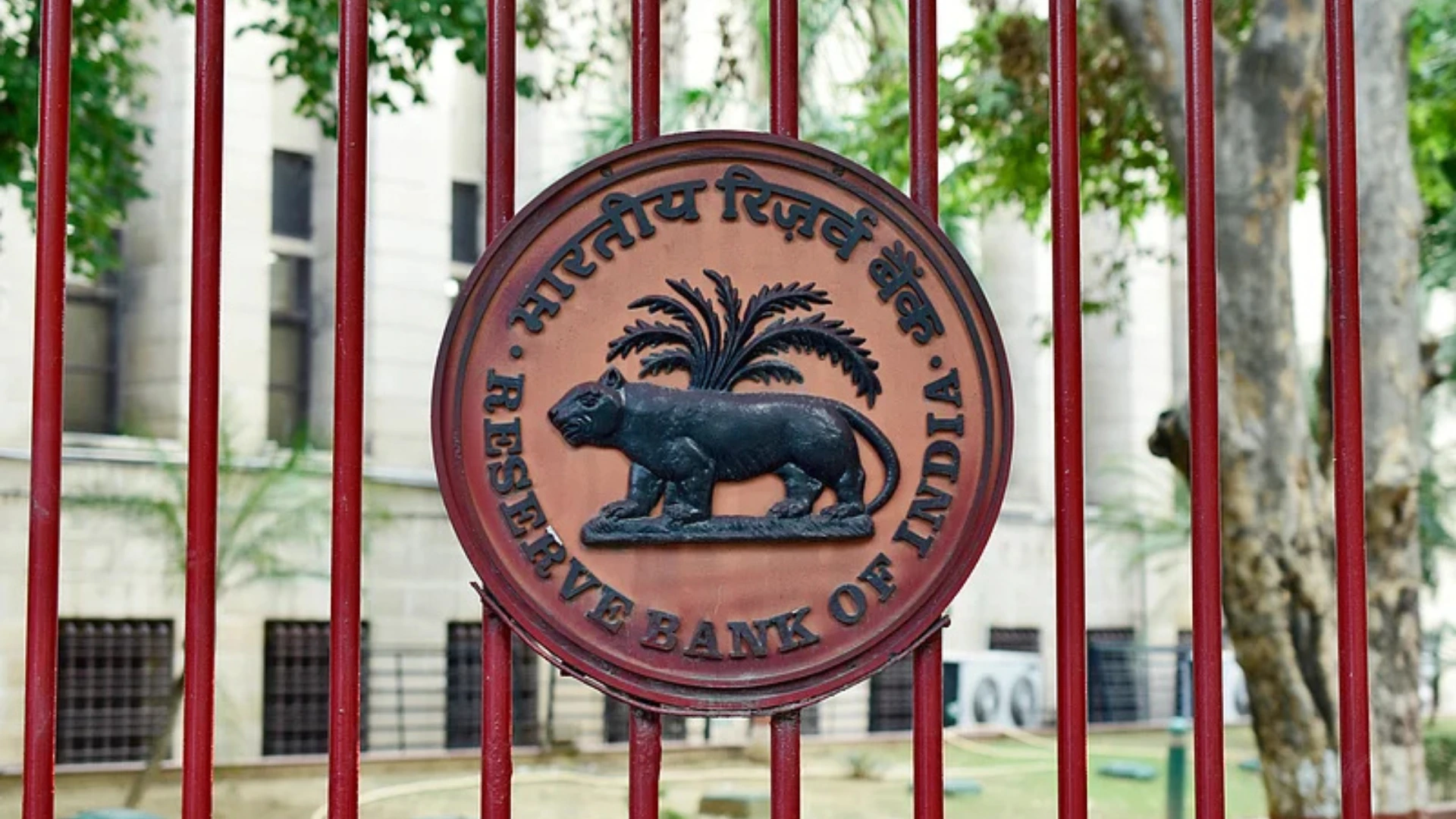
What’s the deal? The Reserve Bank of India (RBI) is widely expected to raise the benchmark RBI repo rate hike by 25 basis points at its October monetary policy meeting, taking it from 5.25% to 5.50%. The move would be the RBI’s first rate hike since February 2023.
Why now? Inflation pressures have strengthened, with India’s August consumer inflation rising to 4.82%, above the RBI’s 4% target for the third consecutive month. Higher crude oil prices, geopolitical tensions and tighter global financial conditions are adding pressure to India’s inflation outlook.
What it means. A 25-basis-point increase would raise borrowing costs across the financial system. Home loans, business loans and other floating-rate borrowing could become more expensive, while higher rates can support efforts to contain inflation and strengthen the rupee.
By the numbers. The current repo rate is 5.25%, and markets have largely priced in a 25-basis-point hike. Swap markets are also indicating a possibility of a larger 50-basis-point move, although most economists expect the RBI to choose the smaller increase.
What’s next? Markets will be watching Governor Sanjay Malhotra’s guidance closely. Investors are particularly interested in whether the RBI signals further rate increases, especially as higher oil prices, global bond yields and pressure on the rupee complicate the inflation outlook.
EQMint Take on RBI repo rate hike
The 25-basis-point hike is largely expected by markets. The bigger story will be what comes after it. RBI’s assessment of inflation, crude prices, the rupee and global monetary conditions could determine whether October’s move becomes a one-off adjustment or the beginning of a broader tightening cycle.
Disclaimer: This article is for information purposes only and is not investment advice.
For more such information, visit EQMint
Join our WhatsApp channel for timely updates: Whatsapp