

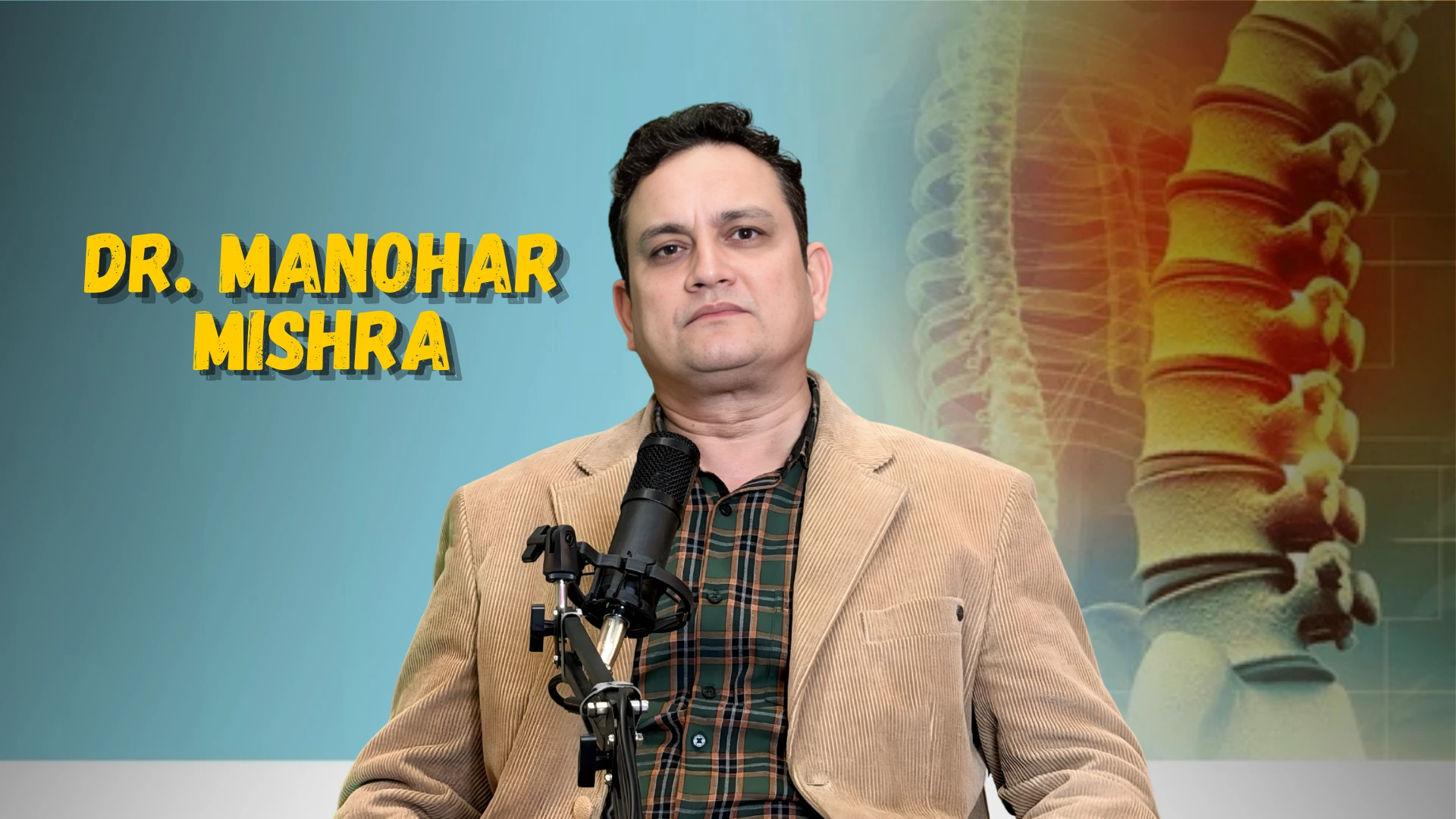
May 31, 2026: In a recent episode of the EQMint Health Code podcast, Dr. Manohar Mishra, a certified chiropractor, physiotherapist, and ergonomics specialist—shared practical insights on spinal wellness, posture correction, and workplace ergonomics.
Author: Aadarsh Patel | EQMint | EQ Exclusive
In today’s digital-first world, long working hours, remote jobs, and excessive screen time have made spinal health a growing concern for professionals. Sedentary lifestyles and poor posture are increasingly leading to chronic neck pain, back problems, and mobility issues.
From understanding chiropractic care to building healthier work habits, the discussion highlights how modern professionals can protect their physical well-being in a demanding work environment.
The Work-From-Home Lifestyle and Spinal Stress
According to Dr. Mishra, the shift toward work-from-home significantly changed daily movement patterns.
Long hours spent sitting in poor posture—often on couches or beds—have increased stress on the cervical and lumbar spine.
This continuous strain can result in:
- Neck stiffness
- Lower back pain
- Numbness in fingers
- Postural imbalance
- Reduced mobility
The issue becomes even more severe when people remain seated for extended periods without movement.
Chiropractic Care vs Physiotherapy
One of the common questions among patients is whether they should visit a chiropractor or a physiotherapist.
Dr. Mishra explains that both fields serve different purposes:
Physiotherapy
Focuses on:
- Rehabilitation
- Joint strengthening
- Recovery after injuries or surgeries
- Long-term mobility improvement
Chiropractic Care
Focuses on:
- Manual spinal adjustments
- Correcting spinal misalignment
- Improving posture and mobility
- Restoring spinal balance
While physiotherapy supports long-term muscular recovery, chiropractic care is often used for spinal alignment and mobility correction.
Building an Ergonomic Workspace
Dr. Mishra emphasizes that expensive office furniture alone does not guarantee spinal health.
In fact, overly soft seating can negatively affect spinal alignment.
Essential Ergonomic Tips
Screen at Eye Level
Prevents forward neck bending and reduces cervical stress.
Proper Elbow Support
Avoids strain on shoulders and trapezius muscles.
Feet Flat on the Floor
Helps distribute body weight evenly and improves posture.
Avoid Sitting on Wallets
A thick wallet can tilt the pelvis and affect spinal alignment over time. These small adjustments can significantly improve posture and reduce long-term discomfort.
Hydration and Nutrition Matter More Than You Think
One of the lesser-discussed aspects of spinal health is hydration.
Dr. Mishra explains that spinal discs require adequate hydration to maintain flexibility and cushioning.
Insufficient water intake may contribute to:
- Disc compression
- Reduced spinal flexibility
- Increased back pain
Additionally, poor eating habits and irregular meal timing can contribute to inflammation and musculoskeletal discomfort.
A balanced diet rich in calcium, Vitamin D, and hydration supports overall spinal wellness.
The Golden Rule: Stretch Instead of “Cracking”
Dr. Mishra strongly warns against aggressively “cracking” joints and neck bones for temporary relief, especially by untrained individuals.
Instead, he recommends simple spinal decompression exercises.
One Simple Habit
Every 45 minutes:
- Stand up
- Stretch upward
- Reach toward the ceiling for 20 seconds
This helps decompress the spine, improve circulation, and reduce stiffness caused by prolonged sitting.
The Importance of Spinal Alignment
At the core of Dr. Mishra’s philosophy is the belief that spinal alignment directly affects the body’s overall balance and mobility.
“Your spine balances your entire body. The way you twist your body, the way you bend your body—everything plays a very important role. If your spine is corrected and aligned properly, your entire body gets supported… Once your spine is okay, your body will perfectly balance itself.” -Dr. Manohar Mishra
This highlights why spinal care should be treated as a long-term health priority rather than a temporary fix.
Conclusion
Back pain and posture-related problems are increasingly becoming lifestyle diseases in the digital era.
However, small changes—such as maintaining proper ergonomics, taking regular movement breaks, staying hydrated, and seeking professional guidance—can significantly improve spinal health and overall quality of life.
As work culture continues to evolve, prioritizing mobility and posture will become essential for long-term productivity and well-being.
For more such information visit EQMint
Join our Whatsapp channel for timely updates: Whatsapp