

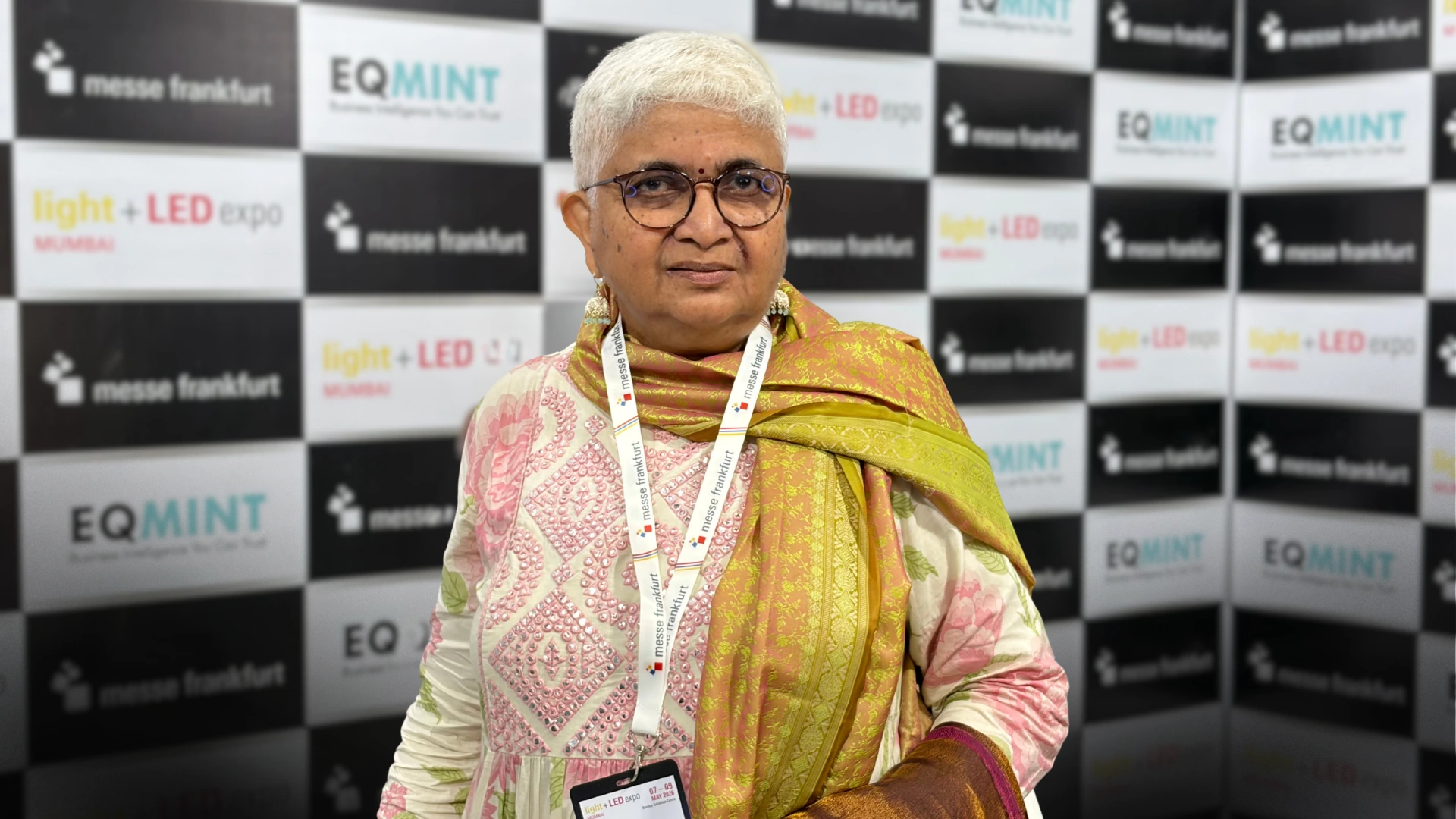
May 29, 2026: In a recent episode of the EQMint Podcast, renowned landscape architect Urmila Rajadhyaksha shared her perspectives on sustainability, ecology, heritage conservation, and the future of Indian cities.
Author: Aadarsh Patel | EQMint | EQ Exclusive
As cities around the world continue to urbanize rapidly, balancing infrastructure growth with environmental sustainability has become one of the most pressing challenges of modern urban planning.
From restoring historic landscapes to shaping the next generation of environmentally conscious architects, Rajadhyaksha’s work highlights how cities can evolve while staying deeply connected to nature.
Landscape Architecture: More Than Parks and Gardens
Landscape architecture is often misunderstood as simply designing parks or decorative green spaces. However, according to Rajadhyaksha, the discipline combines science, ecology, engineering, and design to understand how urban systems interact with nature.
It involves studying:
-
- Soil systems
-
- Water flow
-
- Vegetation patterns
-
- Ecological balance
Even simple urban interventions like paving roads can alter water movement and disrupt ecosystems. Sustainable planning therefore becomes critical in reducing environmental damage such as urban flooding and groundwater depletion.
Restoring Heritage Through Sustainability
One of Urmila Rajadhyaksha’s most recognized projects was the restoration of the historic Prince of Wales Museum gardens in Mumbai.
The project focused on:
-
- Preserving historical landscape patterns
-
- Reviving ecological balance
-
- Creating sustainable and low-maintenance green spaces
The restoration received recognition from UNESCO, demonstrating that heritage preservation and sustainability can successfully work together.
The Urbanization Crisis in Indian Cities
India’s rapid urbanization has often prioritized speed and commercial development over environmental planning.
Rajadhyaksha describes many Indian cities as “cities in a hurry,” where natural systems are frequently treated as secondary concerns.
This has contributed to:
-
- Urban heat island effects
-
- Erratic rainfall impact
-
- Groundwater depletion
-
- Loss of biodiversity
She points toward cities like Singapore, which integrates greenery deeply into urban development, as examples of how sustainable urbanization can be achieved.
Why Public Parks Are Essential
Public parks are no longer just recreational spaces—they are essential urban infrastructure.
Well-designed green spaces help cities by:
-
- Recharging groundwater
-
- Reducing urban heat
-
- Managing rainwater naturally
-
- Supporting biodiversity
Rajadhyaksha emphasizes that urban parks also provide critical habitats for birds, bees, butterflies, and other micro-ecosystems that sustain environmental balance.
Educating Future Green Designers
Recognizing the need for specialized environmental design education, Rajadhyaksha helped establish Mumbai’s first Master’s program in Landscape Architecture in 2016.
She observes that younger architects are increasingly passionate about:
-
- Climate resilience
-
- Urban biodiversity
-
- Sustainable mobility
-
- Food security systems
However, she warns against treating sustainability as merely a checklist exercise and advocates for holistic environmental thinking.
“The Earth Is Our Client”
At the heart of Rajadhyaksha’s philosophy is the idea that nature should be treated as a collaborator rather than something to control.
“Nature cannot be built. You can only work with nature as a collaborator. But you cannot dictate that nature should do what you intend nature to do. And that’s something every architect needs to understand.” -Urmila Rajadhyaksha
This mindset represents a major shift needed in modern architecture and urban development.
Conclusion
The future of sustainable cities depends on integrating ecological thinking into every layer of urban planning.
Urmila Rajadhyaksha’s insights provide a powerful blueprint for building cities that are not only modern and functional, but also environmentally resilient and livable for future generations.
As climate and urban challenges continue to intensify, designing with nature—not against it—will become essential for sustainable growth.
For more read Founder Stories
For more such information visit EQMint
Join our Whatsapp channel for timely updates: Whatsapp