Author: Aadarsh Patel | EQMint
India’s Tata Group is facing a significant boardroom dispute over the leadership of Tata Sons and the future ownership structure of the conglomerate’s principal holding company.
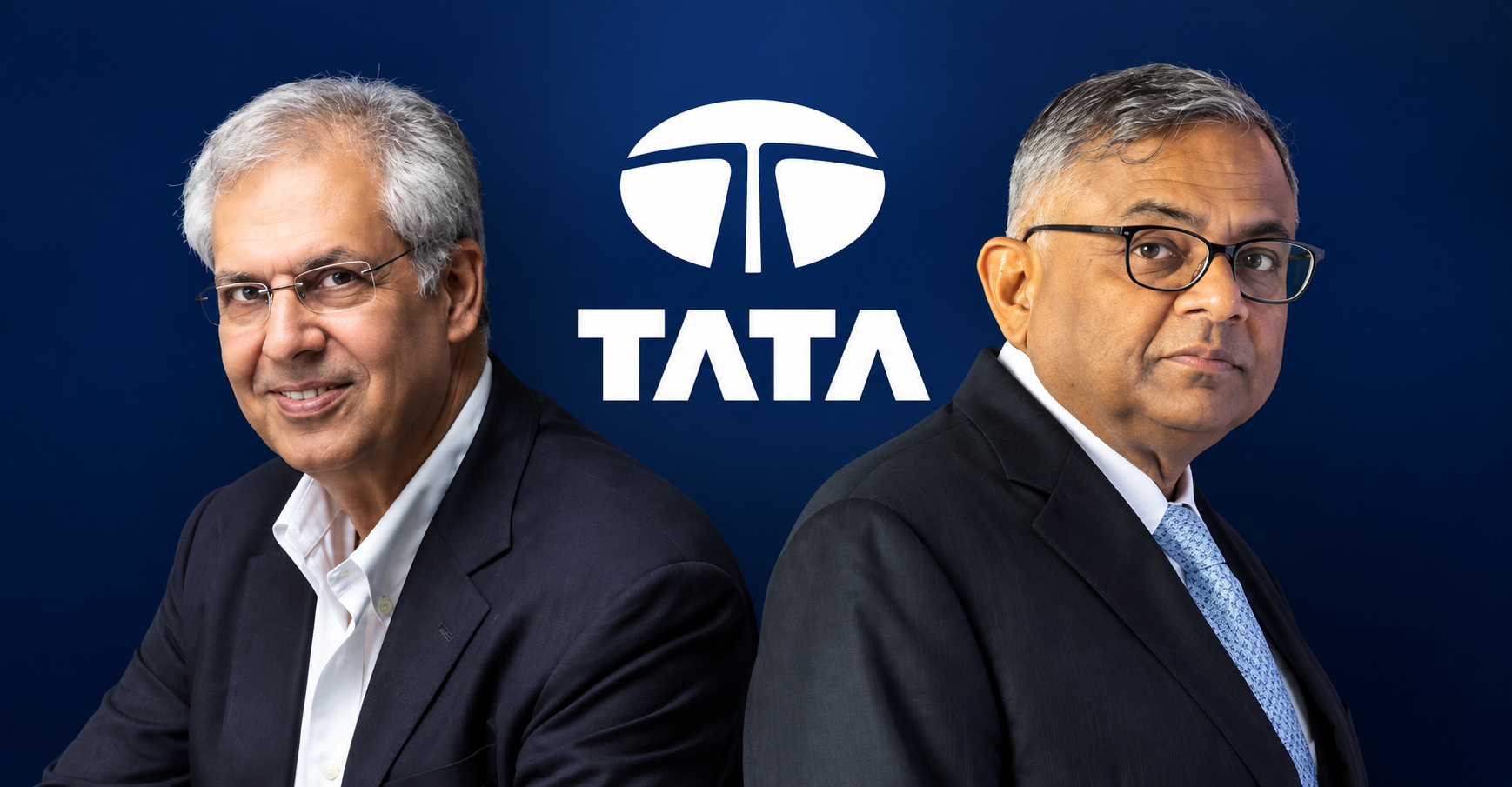
On September 17, 2026, the Tata Sons board reportedly approved the reappointment of N Chandrasekaran as chairman for another five-year term. The board also backed compliance with Reserve Bank of India (RBI) requirements that could lead to Tata Sons being listed on the stock market.
The decisions came despite opposition from Noel Tata, chairman of Tata Trusts and one of the Trusts’ nominated directors on the Tata Sons board.
Tata Sons Board Approves Chandrasekaran’s Reappointment
The Tata Sons board voted 4–1 in favour of reappointing Chandrasekaran, with Noel Tata recording the sole dissent.
The decision marks a reversal from the situation in August, when Chandrasekaran had indicated that he would step down after his existing term expires in February 2027. A process to identify his successor had reportedly already been initiated.
Under the latest board decision, Chandrasekaran would continue as chairman for another five years, subject to the required shareholder approval.
Tata Trusts hold approximately 66% of Tata Sons and have two nominated directors on the board — Noel Tata and Venu Srinivasan. While Noel Tata opposed the resolution, Srinivasan supported Chandrasekaran’s reappointment.
Why Noel Tata Opposed the Decision
The dispute centres on the governance rights attached to the Trusts’ nominated directors.
Noel Tata has argued that his opposition should have prevented the chairman’s reappointment from being approved. The Tata Sons board, however, reportedly relied on a legal interpretation under which the chairman could exercise a casting vote in the event of a deadlock.
Noel Tata subsequently described the decision as unlawful and formally recorded his dissent.
He also submitted a legal opinion from former Chief Justice of India DY Chandrachud that reportedly supported his position. The Tata Sons board did not accept that interpretation and proceeded with its own reading of the company’s governance provisions.
Tata Sons and the RBI Listing Requirement
The leadership dispute is unfolding alongside another major issue: Tata Sons’ regulatory status as an Upper Layer Non-Banking Financial Company (NBFC).
The RBI introduced a regulatory framework in 2022 requiring large NBFCs classified in the Upper Layer to meet enhanced governance and disclosure requirements, including listing requirements.
Tata Sons has challenged the applicability of the listing requirement and sought regulatory relief, citing its distinctive ownership structure. Unlike many conventional financial holding companies, Tata Sons is majority-owned by charitable trusts.
The RBI maintained Tata Sons in the Upper Layer category in August 2026 while the company’s exemption request remained under consideration.
On September 11, 2026, the RBI rejected Tata Sons’ request to surrender its NBFC registration and directed the company to comply with the applicable Upper Layer regulations, including the listing requirement.
Six days later, the Tata Sons board voted in favour of compliance.
Tata Trusts Seek Alternatives to Listing
Tata Trusts have opposed the move towards a public listing and have asked Tata Sons to explore alternatives.
The concern stems from the potential impact of a listing on the ownership and governance structure that has defined the Tata Group for decades.
Tata Trusts currently own around 66% of Tata Sons. The Shapoorji Pallonji family holds approximately 18%, while the remaining stake is held by Tata companies and other investors.
A public listing would introduce public-market shareholders into the ownership structure of Tata Sons and could alter how the holding company is governed.
The Trusts’ position is also linked to the philanthropic structure associated with Tata Sons, with Tata Trust institutions supporting areas including healthcare, education and research.
Who Owns Tata Sons?
The broad ownership structure of Tata Sons is:
- Tata Trusts: Approximately 66%
- Shapoorji Pallonji family: Approximately 18%
- Tata companies and other investors: Approximately 16%
Tata Sons sits at the centre of the Tata Group’s corporate structure, with interests across automobiles, technology, aviation, consumer products, steel, hospitality and other sectors.
Its portfolio includes businesses such as Tata Motors, Tata Consultancy Services, Tata Consumer Products and Tata Digital.
What Happens Next?
The board’s decisions will still face the next stage of the shareholder process.
The reappointment of Chandrasekaran and other relevant resolutions will need to be considered at the Tata Sons Annual General Meeting (AGM).
Noel Tata could use the AGM to challenge the board’s decision and potentially seek changes to the company’s leadership.
The situation is further complicated by legal restrictions involving the Sir Ratan Tata Trust. The Trust is currently subject to a restraining order from the Maharashtra Charity Commissioner affecting its participation in certain major decisions concerning Tata Sons.
If the Trust obtains legal relief, the balance of the upcoming shareholder proceedings could become an important factor in the dispute.
Noel Tata and Tata Trusts could also pursue legal remedies challenging the board’s interpretation of its governance provisions.
A Dispute Over Tata’s Future Structure
The Tata Sons dispute is therefore not limited to the question of who will serve as chairman.
It brings together two broader questions: the future leadership of Tata Sons and the regulatory future of the group’s central holding company.
The RBI’s position puts pressure on Tata Sons to comply with listing requirements, while Tata Trusts continue to seek alternatives that would preserve the existing trust-led ownership structure.
The upcoming AGM and any subsequent legal or regulatory proceedings will determine how the Chandrasekaran reappointment and Tata Sons’ listing plans move forward.
Source: Tata Sons board developments, Reserve Bank of India regulatory actions and reported statements from Tata Trusts and company representatives.
Disclaimer: This article is for information purposes only and is not investment advice.
For more such information, visit EQMint
Join our WhatsApp channel for timely updates: Whatsapp