
Strait of Hormuz Tensions escalate as the US sets a deadline for Iran to reopen . Iran has rejected the demand, raising fears of further conflict.
Author: Aadarsh Patel | EQMint
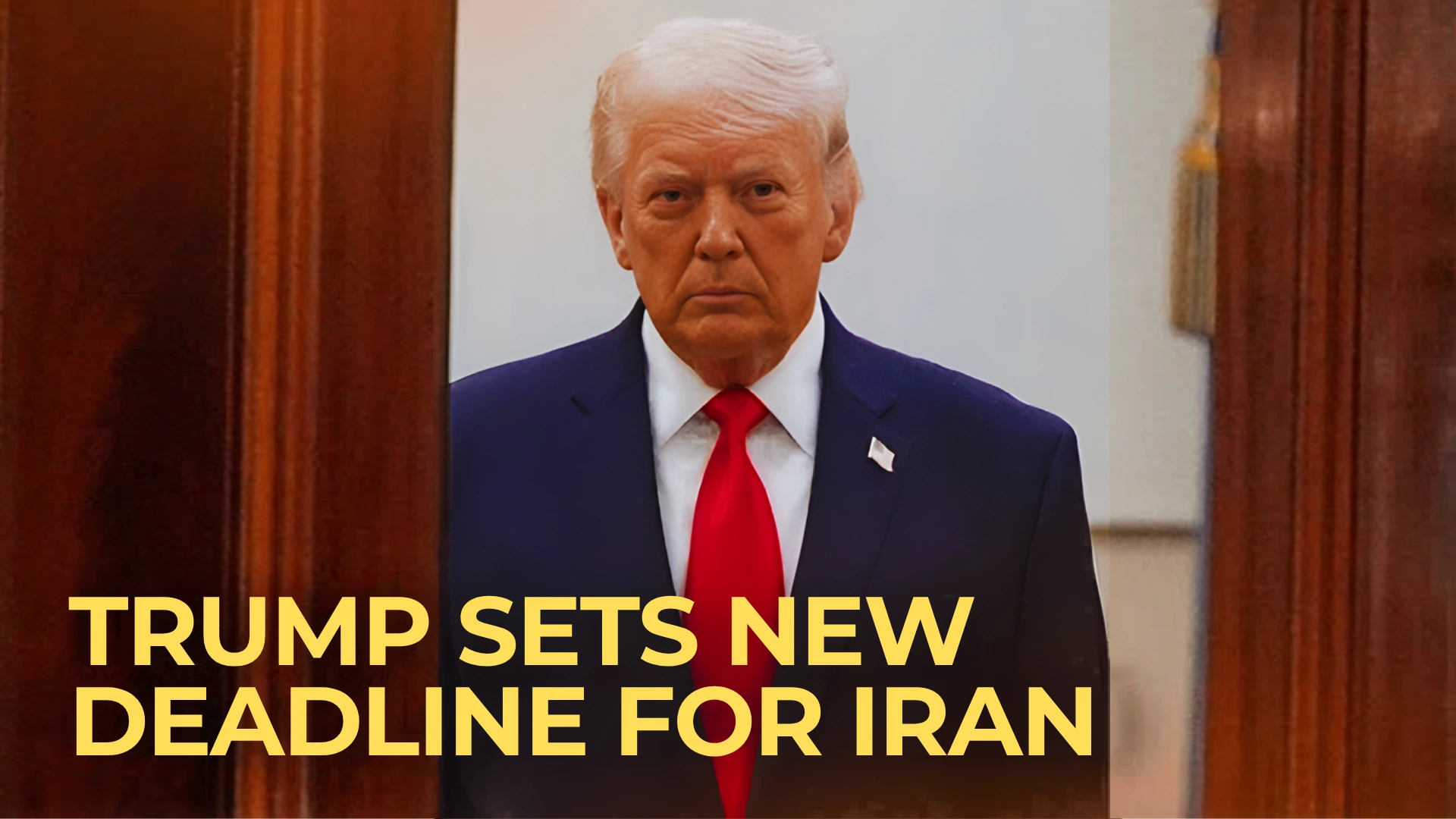
Mumbai , April 2026: The ongoing conflict between the United States and Iran has intensified, with Donald Trump setting a deadline for Iran to reopen the Strait of Hormuz, a move that Tehran has strongly rejected.
Strait of Hormuz Key Highlights
The US has warned of potential strikes on Iranian infrastructure if the Strait of Hormuz is not reopened by the deadline, while Iran has called the demand unrealistic and escalatory. The situation has raised global concerns over energy supply and geopolitical stability.
What’s Happening Now
The Strait of Hormuz, a critical global oil route, remains disrupted amid the conflict. The US has issued a firm deadline, while Iran has responded with strong rhetoric and warnings of retaliation.
Iran’s Response
Iranian officials have dismissed the US stance, calling it “delusional” and warning that further escalation could lead to wider regional consequences.
Global Impact
The crisis has already pushed oil prices higher and created volatility in global markets. Any disruption to Hormuz directly impacts energy supply chains and trade routes worldwide.
Risk of Escalation
With military threats, airstrikes, and retaliatory actions already underway, the situation remains highly volatile. The approaching deadline increases the risk of a broader conflict.
What to Watch
Key developments include whether Iran reopens the Strait, potential US military action, and ongoing diplomatic efforts toward a ceasefire.
Conclusion
As the deadline approaches, the US-Iran standoff over the Strait of Hormuz has become a critical global flashpoint, with significant implications for energy markets and geopolitical stability.
For more such information visit EQMint
Join our Whatsapp channel for timely updates: Whatsapp