

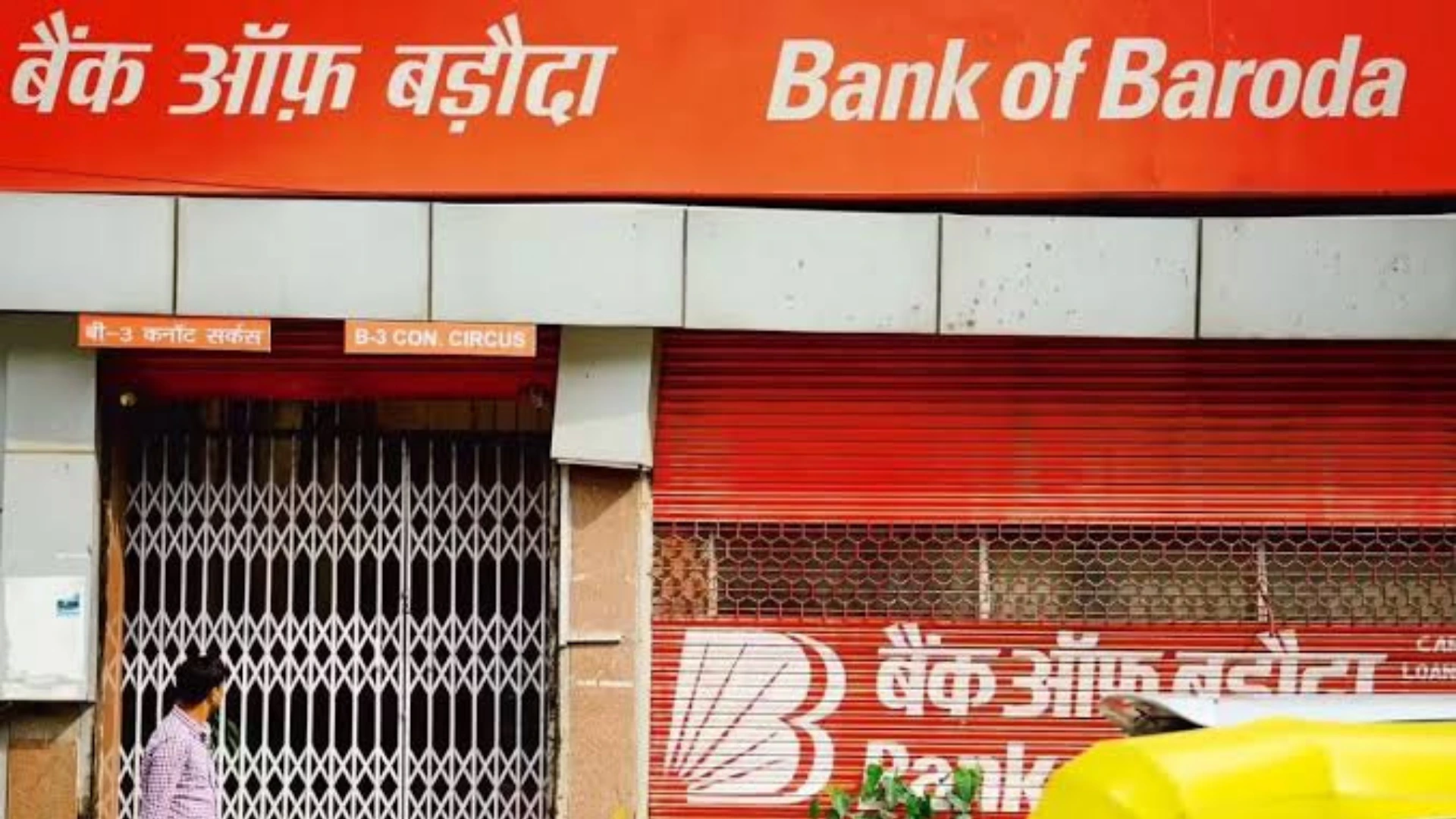
Synopsis: Quarterly profits often dominate banking headlines, but they do not always tell the complete story. Sometimes, a bank’s earnings are affected not by weakening business fundamentals but by one-time provisions arising from legal disputes or regulatory settlements. Bank of Baroda’s recent ₹60 crore settlement in the National Medical Commission (NMC) matter has drawn attention not only because it reduced the bank’s first-quarter profit, but also because it has reignited discussions about regulatory uncertainty, compliance costs, and investor confidence. The development raises a broader question: are regulatory risks becoming an increasingly important factor for investors evaluating India’s banking sector?
July 7, 2026: Bank of Baroda recently reported that its first-quarter profits were lower than expected after making a provision of approximately ₹60 crore towards a settlement related to the National Medical Commission (NMC) case. The provision was treated as a one-time expense, reducing the bank’s reported profitability for the quarter despite its core banking operations remaining relatively stable.
Author: Tavisha Kanodia | EQMint
The announcement immediately caught investors’ attention because provisions of this nature differ from regular operating expenses. Unlike costs associated with lending or day-to-day banking operations, regulatory settlements arise from specific disputes and are generally not expected to recur frequently. As a result, analysts often separate these one-off expenses when assessing the underlying health of a financial institution.
Understanding Why Regulatory Provisions Matter
Banks operate in one of the most heavily regulated sectors of the economy. Beyond managing deposits and extending credit, they must comply with numerous regulations issued by financial authorities and government agencies. When disputes arise, banks may choose to settle matters rather than continue lengthy legal proceedings, leading to one-time financial provisions.
From an accounting perspective, these provisions reduce reported profits for the period in which they are recognised. However, they do not necessarily indicate deterioration in the bank’s lending business, deposit growth, or asset quality.
The Bank of Baroda case highlights an important distinction for investors. A decline in quarterly profit does not always reflect weaker operational performance. Sometimes it reflects accounting adjustments made to resolve legal or regulatory obligations, allowing the institution to move forward without prolonged uncertainty.
A Larger Conversation Around Bank Of Baroda
The NMC settlement has also revived broader discussions about regulatory risk within India’s financial sector. Banks today operate under increasingly stringent compliance frameworks covering governance, cybersecurity, customer protection, anti-money laundering measures, digital banking, and operational transparency.
While stronger regulation improves financial stability and protects consumers, it also increases compliance costs for banks. Institutions must invest continuously in technology, internal controls, risk management systems, and governance practices to meet evolving regulatory expectations.
Some market participants have questioned whether regulatory actions can sometimes create uncertainty for investors, particularly when settlements affect financial results. However, it is important to distinguish between confirmed regulatory actions and broader market opinions regarding their implications. The current settlement itself reflects a concluded matter, while debates surrounding regulatory consistency remain matters of interpretation rather than established fact.
What Investors Should Watch Going Forward
For long-term investors, the Bank of Baroda episode serves as a reminder that quarterly earnings should always be viewed within a broader context. One-time provisions may temporarily affect profitability, but they do not automatically alter a bank’s long-term growth prospects.
Instead, investors should monitor indicators such as loan growth, deposit mobilisation, net interest margins, asset quality, capital adequacy, and the bank’s ability to maintain strong governance standards. These factors provide a more comprehensive picture of financial strength than isolated quarterly adjustments.
At the same time, regulatory developments are likely to become increasingly relevant as India’s banking sector embraces digital transformation and tighter compliance standards. Banks that proactively strengthen governance, improve risk management, and invest in compliance infrastructure may be better positioned to navigate future regulatory challenges while maintaining investor confidence. Ultimately, the Bank of Baroda settlement is more than a story about a ₹60 crore provision.
It reflects the growing importance of regulatory preparedness in modern banking. As financial institutions become increasingly interconnected with digital services and stricter oversight, managing regulatory risk may prove just as important as managing credit risk. For investors, understanding this evolving landscape will be essential when evaluating not only quarterly profits but also the long-term resilience of India’s banking sector.
or more such information visit EQMint
Join our Whatsapp channel for timely updates: Whatsapp
Disclaimer: This article is not an investment advice and is for educational purpose only. All facts have been taken from other sources.