

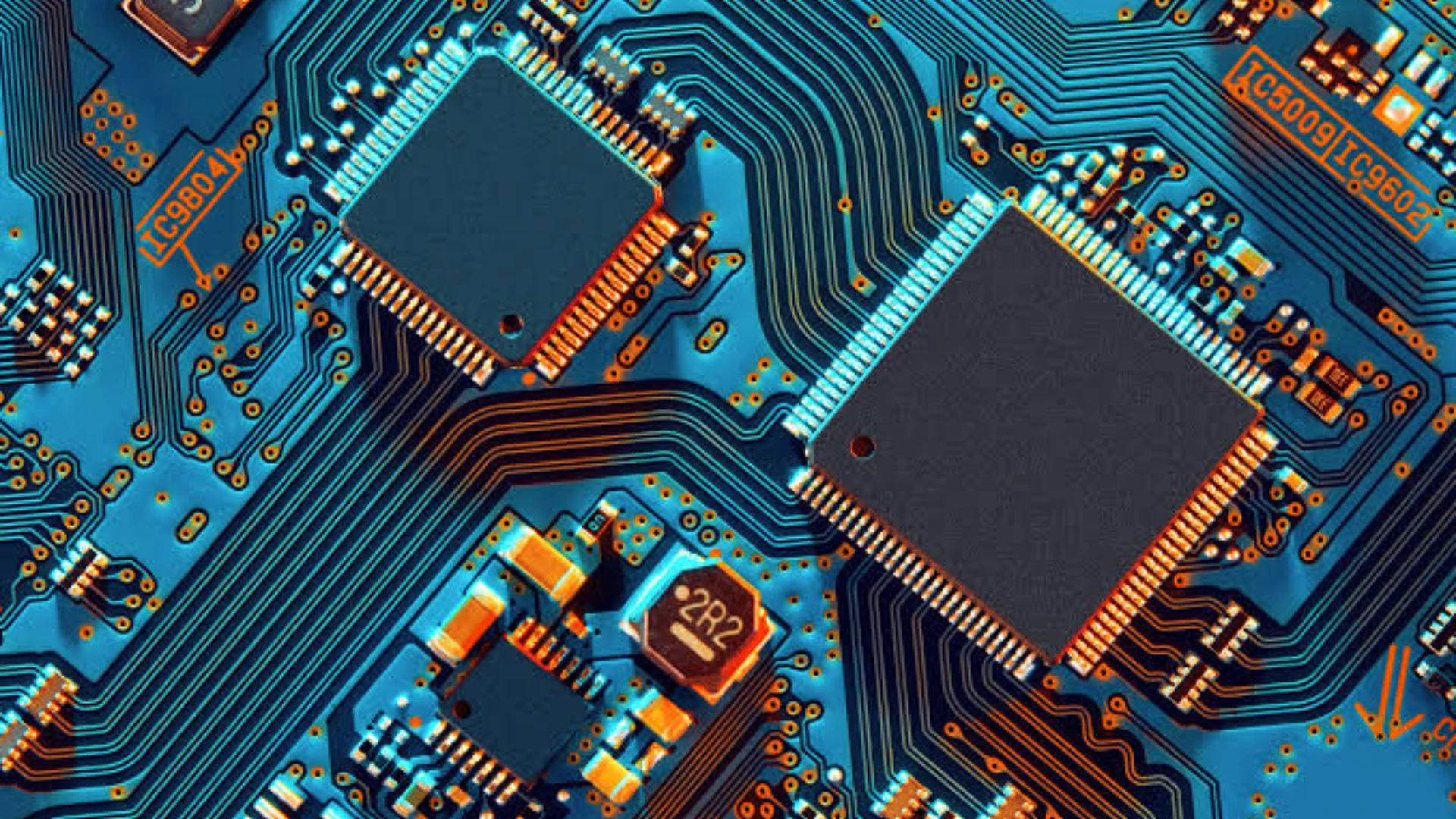
Synopsis: For decades, India has been one of the world’s largest consumers of electronic goods while remaining heavily dependent on imported semiconductor chips. From smartphones and laptops to automobiles and defence equipment, semiconductors form the backbone of the modern economy. Recognizing both the strategic and economic importance of chip manufacturing, the government launched the India However, as projects move from announcements to execution, an important question emerges: is India truly on its way to becoming a global semiconductor hub, or does the mission still face significant hurdles?
July 7, 2026: Why Semiconductors Matter More Than Ever
The global semiconductor shortage during the COVID-19 pandemic exposed the vulnerabilities of modern supply chains. Automobile manufacturers halted production, electronics companies faced delays, and governments around the world realised the strategic importance of securing semiconductor access. Chips are no longer viewed merely as components of electronic devices; they have become critical assets that influence economic competitiveness, technological advancement, and national security.
Author: Tavisha Kanodia | EQMint | General News
For India, the challenge has been particularly significant. Despite being a major market for electronics and digital services, the country imports the vast majority of its semiconductor requirements. This dependence creates both economic and strategic risks, especially as geopolitical tensions and global supply chain disruptions continue to reshape international trade. The India Semiconductor Mission was launched to address this gap by encouraging domestic manufacturing, attracting foreign investment, and building an ecosystem that spans design, fabrication, testing, packaging, and research.
From Policy Announcements to Ground-Level Investment
The government’s semiconductor strategy gained momentum through a combination of financial incentives and policy support. Under the Semiconductor Mission, substantial incentives have been offered to companies willing to establish semiconductor manufacturing and assembly facilities in India. This has attracted interest from both domestic and international players.
Among the most significant developments has been Tata Group’s entry into semiconductor manufacturing. The conglomerate announced major investments in semiconductor fabrication and packaging facilities, marking one of India’s most ambitious attempts to establish a domestic chip ecosystem. Global companies such as Micron have also committed investments in assembly and testing facilities, signalling growing confidence in India’s semiconductor ambitions.
Beyond manufacturing, India already possesses one important advantage: semiconductor design talent. Several global technology companies operate chip design centres across Bengaluru, Hyderabad, Noida, and other technology hubs. Engineers in India contribute to the design of chips used worldwide. However, manufacturing semiconductors is vastly different from designing them. Fabrication facilities require billions of dollars in investment, highly specialised equipment, reliable infrastructure, ultra-pure water supplies, and uninterrupted electricity. These requirements make semiconductor manufacturing one of the most complex industrial activities in the world.
The Challenges That Could Shape India’s Semiconductor Future
While recent announcements have generated optimism, industry experts caution that building a globally competitive semiconductor industry requires patience and sustained investment. Countries such as Taiwan, South Korea, and the United States spent decades developing their semiconductor ecosystems. India is effectively attempting to accelerate a process that took other nations generations to achieve.
One major challenge is supply chain development. Semiconductor fabrication depends on hundreds of suppliers providing chemicals, gases, specialised machinery, and precision materials. Establishing fabrication plants without a supporting ecosystem could increase production costs and limit competitiveness. Workforce development is another critical factor. Although India produces a large number of engineers, semiconductor manufacturing requires specialised skills that remain relatively scarce.
Competition also remains intense. Governments across the world are investing heavily in semiconductor production through incentive programs aimed at reducing dependence on a handful of manufacturing locations. India therefore faces the challenge of competing not only with established semiconductor powers but also with emerging manufacturing destinations seeking similar investments.
Vision, Reality, and the Road Ahead
The India Semiconductor Mission represents one of the country’s most ambitious industrial initiatives in recent years. Unlike many technology sectors where India built strengths gradually, semiconductors require significant upfront investment and long-term policy consistency. The transition from policy announcements to operational facilities will therefore be the true test of the mission’s success.
At present, the evidence suggests that India’s semiconductor ambitions are moving beyond vision and entering the early stages of reality. Investments are being announced, infrastructure is being developed, and global firms are showing interest. Yet the journey remains long, and the ultimate outcome will depend on execution, ecosystem development, and the ability to compete in one of the world’s most technologically demanding industries.
or more such information visit EQMint
Join our Whatsapp channel for timely updates: Whatsapp
Disclaimer: This article is not an investment advice and is for educational purpose only.