
Author: Aadarsh Patel | EQMint
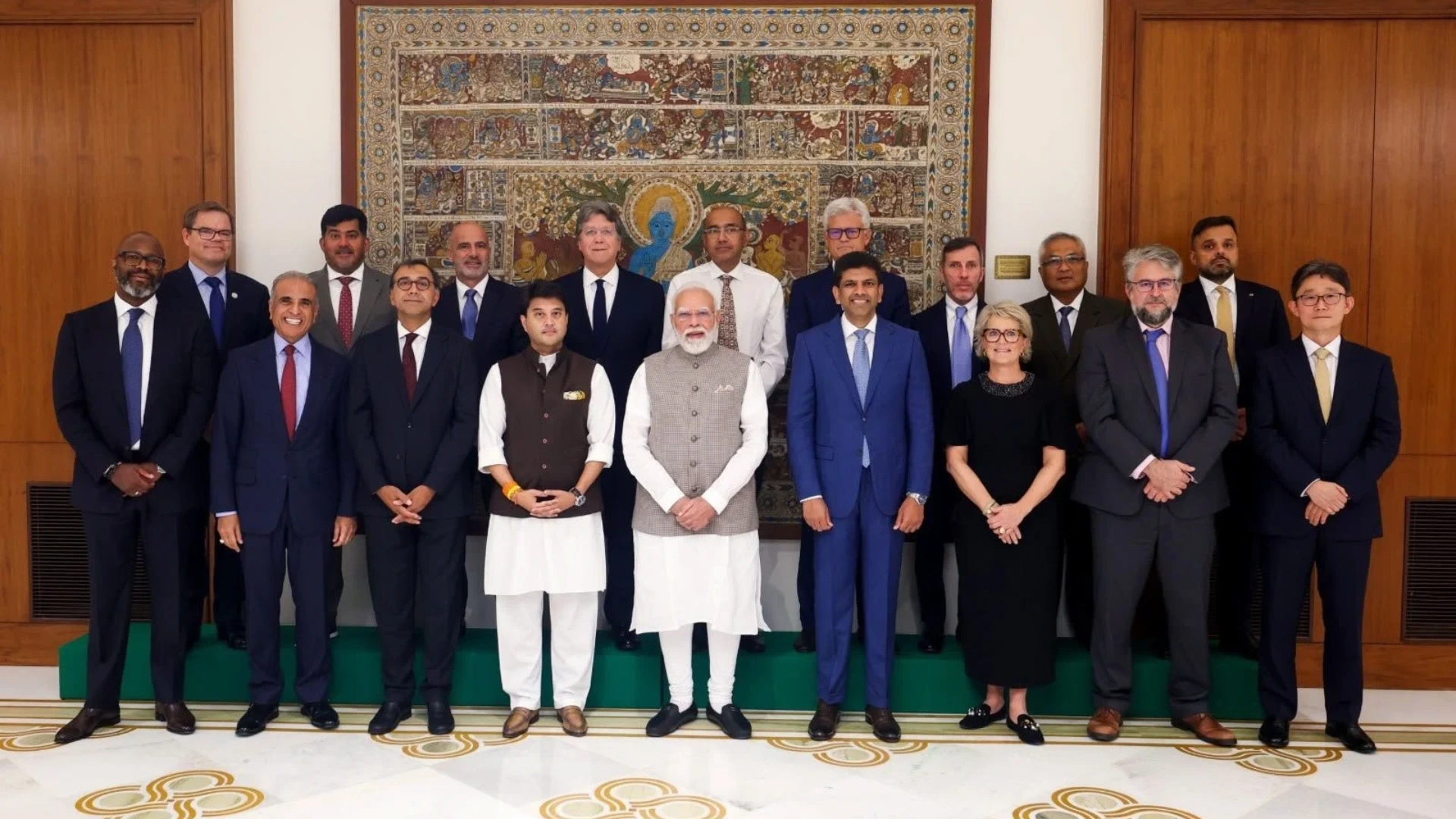
What’s the deal? Prime Minister Narendra Modi has called for technology to become a tool for inclusive and sustainable development, stressing that digital services must be affordable and accessible to everyone. During an interaction with the Global System for Mobile Communications Association (GSMA) Board at Seva Teerth in New Delhi on October 6, 2026, he urged the industry to ensure that technological progress reaches every section of society.
Why now? The remarks came ahead of the India Mobile Congress 2026, held from October 7 to 10 in New Delhi. With discussions spanning 5G, 6G, artificial intelligence, cybersecurity and satellite connectivity, the focus is on expanding digital access while ensuring that emerging technologies deliver benefits beyond major cities and established businesses.
What it means? Modi stressed the importance of democratising technology, particularly for countries across the Global South. He also pointed to Digital Public Infrastructure (DPI) as a way to improve access to public services and reduce the digital divide. Affordable connectivity and access to digital tools can help smaller businesses, rural communities and underserved populations participate more fully in the digital economy.
The sustainability angle: Technology-led development also raises questions about how digital infrastructure is built and operated. As AI and data-centre investments grow, energy demand, water consumption, resource efficiency and access to reliable connectivity will become increasingly relevant to sustainable development. The challenge is to expand digital services while accounting for their environmental costs.
What’s next? The telecom industry will play a major role in expanding connectivity and developing new services. Cooperation among governments, telecom operators and technology companies will be important for improving digital access, strengthening cybersecurity and ensuring that new technologies can be used safely and affordably.
EQMint Take on technology inclusive and sustainable development
India’s technology agenda faces a two-part test: expanding access and ensuring that digital growth benefits people across income groups and regions. Better connectivity, affordable services and digital public infrastructure can support that goal, while environmental planning and cybersecurity need to remain part of the conversation.
For more such information, visit EQMint
Join our WhatsApp channel for timely updates: Whatsapp