
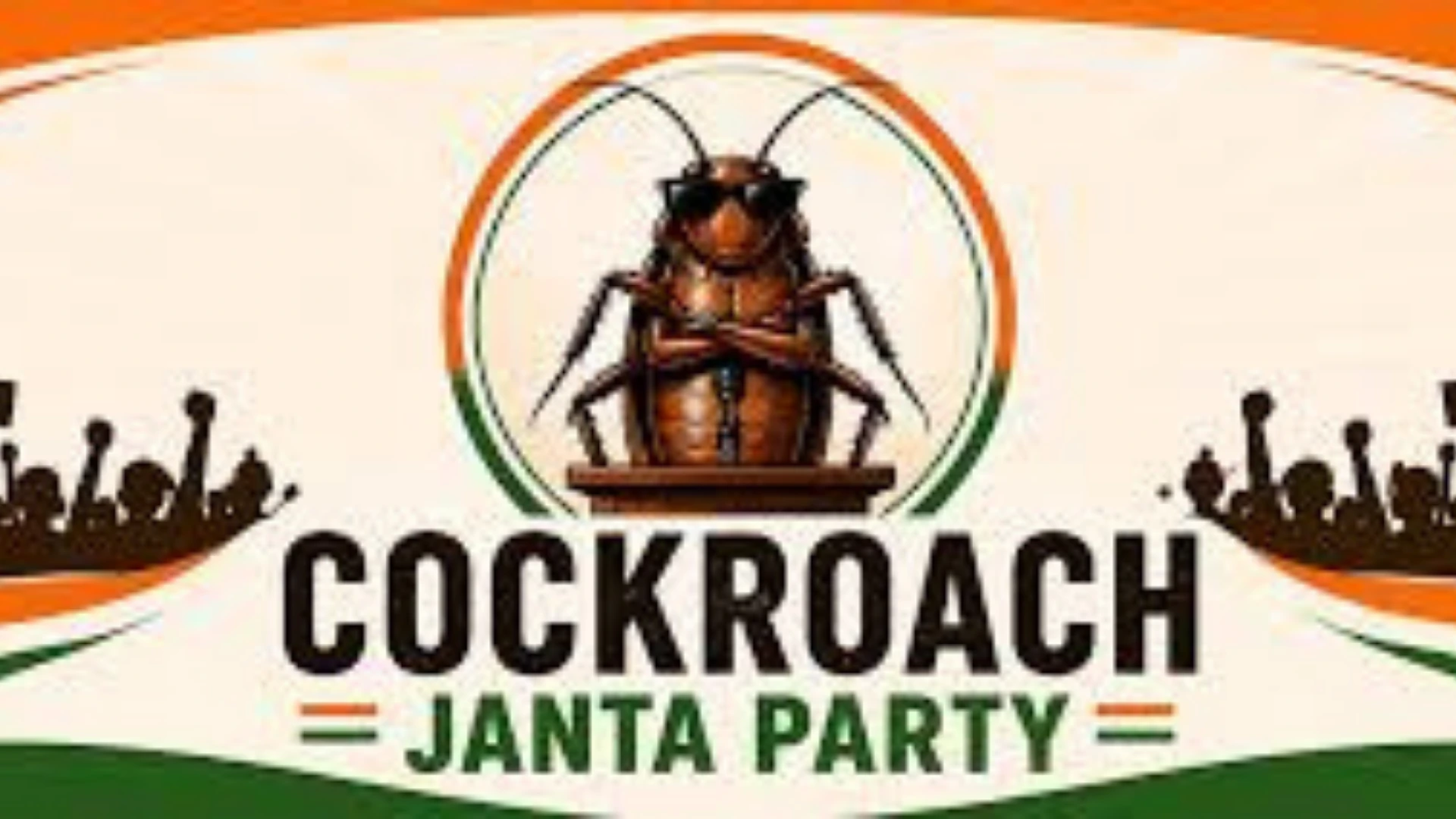
20 May, 2026: India’s social media landscape has witnessed the rise of unexpected viral trend — the Cockroach Janta Party (CJP). What started as a meme-driven online movement has now evolved into one of the most discussed political satire trends among Gen Z users across platforms like X (formerly Twitter), Instagram, and YouTube.
Author: Aadarsh Patel | EQMint
Within just a few days, the phrase “Cockroach Janta Party” began trending nationwide, with thousands of users engaging with its posts, manifesto, and political commentary. But behind the memes and sarcasm lies a deeper conversation around youth frustration, unemployment, political accountability, and public trust in institutions.
What Is the Cockroach Janta Party?
The Cockroach Janta Party is not an officially recognized political party. Instead, it emerged as a digital satire movement that uses humor and internet culture to question India’s current political and social environment.
The trend reportedly gained momentum after controversial remarks linked to senior judicial observations allegedly compared critics and unemployed youth to “cockroaches.” Social media users quickly transformed the statement into a symbol of protest and identity, eventually leading to the birth of the “Cockroach Janta Party.”
What makes the movement unique is its ability to blend comedy with serious political commentary — something that strongly resonates with younger internet audiences.
Why Is It Going Viral?
The viral success of the Cockroach Janta Party is largely driven by Gen Z’s digital behavior. Today’s younger audience consumes politics through memes, short-form content, reels, and satirical commentary rather than traditional debates or news discussions.
The movement became popular because:
1. Meme-Friendly Branding
The name itself instantly captures attention. Internet users quickly started creating memes, posters, parody speeches, and fake campaign videos around the idea.
2. Youth Frustration
Many young Indians connected with the movement’s criticism of unemployment, rising competition, exam pressure, and lack of representation in mainstream politics.
3. Anti-Establishment Humor
The satire openly mocks political opportunism, media sensationalism, and institutional failures — topics that frequently trend online.
4. Social Media Amplification
Several public figures and political personalities reacted to the trend online, further boosting its visibility and engagement.
The Viral Manifesto
Interestingly, the movement’s “manifesto” includes several demands that, despite being presented humorously, reflect real public concerns.
Some widely circulated points include:
- No political appointments for retired judges
- Stricter action against fake news
- Greater political transparency
- Reservation for women in politics
- Stronger accountability for party-switching politicians
While many users treat the movement as satire, others see it as an indicator of growing political dissatisfaction among urban youth.
The Rise of Meme Politics in India
The Cockroach Janta Party also highlights a larger shift in India’s digital political culture. Meme-based political engagement is no longer limited to entertainment — it is increasingly becoming a medium for commentary, criticism, and public sentiment.
From election campaigns to parliamentary debates, internet culture now plays a major role in shaping political narratives.
Movements like these demonstrate how younger audiences are choosing unconventional methods to participate in public discourse.
Is It a Real Political Threat?
At the moment, the Cockroach Janta Party remains primarily an internet-driven satirical movement rather than a structured political organization. However, its rapid growth reflects a broader issue: many young citizens feel disconnected from traditional political systems.
Whether the movement fades away as another viral trend or evolves into something more organized, it has already succeeded in starting conversations around governance, accountability, and youth representation.
Conclusion
The Cockroach Janta Party may have started as a meme, but its popularity reflects genuine public emotions circulating across India’s digital landscape. In the age of social media, satire has become one of the most powerful tools for political expression — especially among younger audiences.
As internet culture continues to shape public opinion, trends like these show how politics, humor, and digital activism are increasingly becoming interconnected in modern India.
For more such information visit EQMint
Join our Whatsapp channel for timely updates: Whatsapp