Synopsis:
- India has ordered inspections of more than 2,000 recycling facilities, including 309 electronic-waste recyclers, to identify inflated processing claims and forged compliance documents.
- The Central Pollution Control Board (CPCB) has directed states to physically inspect recycling plants, verify machinery and compare electricity consumption with reported production.
- Facilities found using forged or manipulated documents could be barred from issuing Extended Producer Responsibility (EPR) certificates.
- Uttar Pradesh has initiated audits of 33 e-waste recyclers, with the wider exercise targeting greater accountability across India’s growing electronics recycling ecosystem.
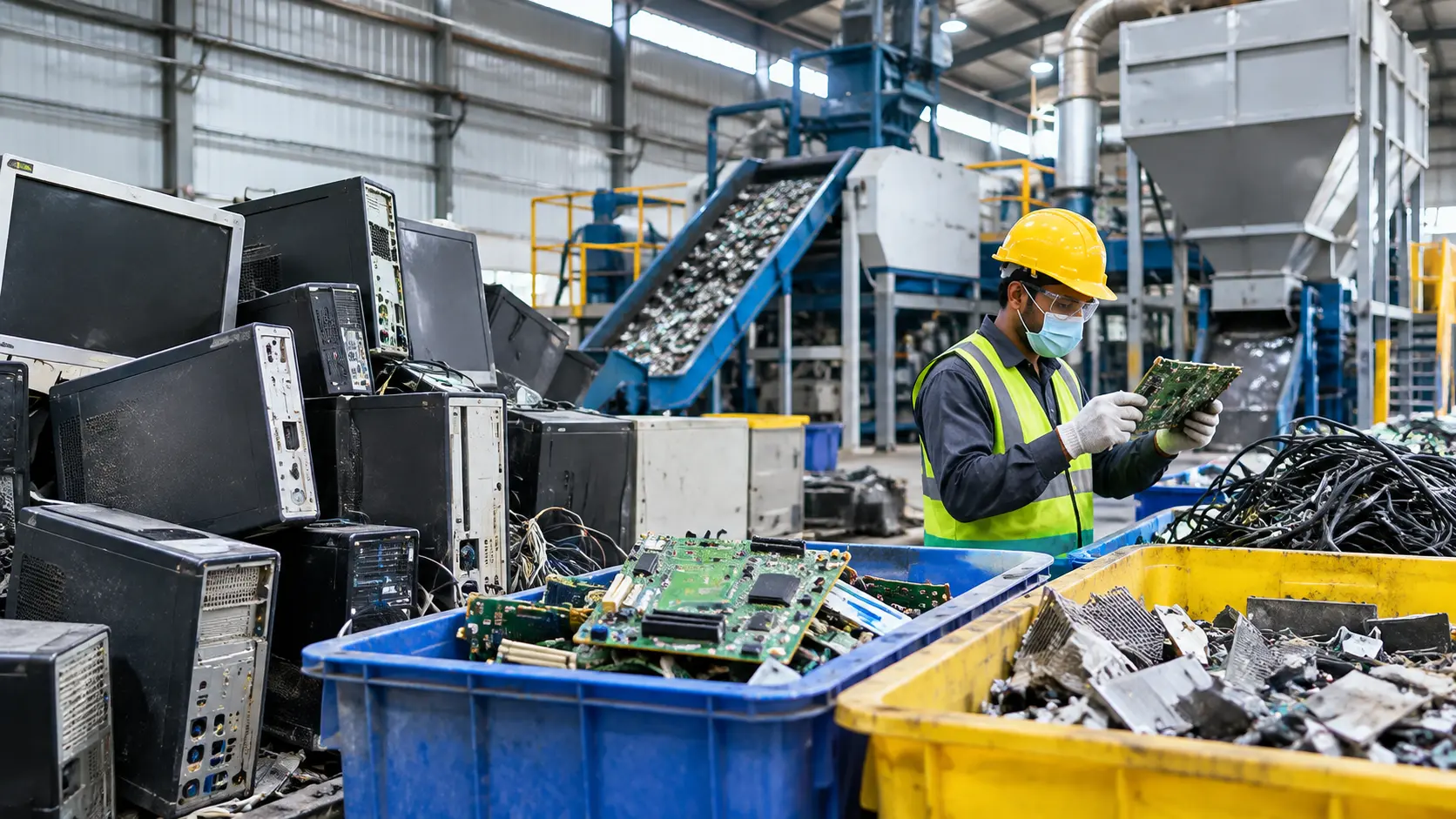
India has stepped up its oversight of the electronic-waste recycling industry, ordering audits of recycling facilities to identify fraudulent processing claims and fake compliance certificates. The move comes as concerns grow over whether companies are meeting their environmental obligations through genuine recycling or relying on questionable documentation.
According to a Reuters report dated November 13, the government’s audit directive covers more than 2,000 recyclers across the country, including 309 facilities specifically involved in electronic-waste processing. The inspections are intended to verify actual recycling operations rather than relying solely on paperwork submitted by registered facilities.
The exercise marks a significant regulatory development for an industry that plays an important role in managing discarded electronic products and recovering valuable materials.
Why India Is Tightening E-Waste Recycling Checks
India is the world’s third-largest generator of electronic waste, after China and the United States. Discarded smartphones, computers, televisions and household appliances contain materials that require specialised handling, including hazardous substances such as lead and mercury, alongside recoverable metals such as gold and silver.
However, a major challenge remains in how this waste is processed. Reuters reported that approximately 78% of India’s electronic waste is handled by informal scrap dealers, many of whom use environmentally harmful methods.
The audit directive also follows a federal investigation that found appliance manufacturers Haier and Godrej & Boyce had failed to identify fraudulent compliance documents issued by a recycler that was not actually carrying out electronic-waste recycling.
Both companies have stated their commitment to legal compliance.
The investigation raised concerns across India’s $95 billion consumer electronics market, prompting several companies to review their recycling supply chains and compliance arrangements.
What Will the Government’s Audit Examine?
The Central Pollution Control Board (CPCB), under Chairman Amandeep Garg, issued the audit instructions to state authorities in July 2026. The accompanying procedure requires physical verification of recycling facilities and their reported operational capacity.
The inspections will include checking whether the machinery installed at recycling plants is functional, conducting trial runs and comparing electricity consumption against the production volumes claimed by operators.
Electricity consumption is an important verification measure because recycling operations require machinery and industrial processes that generate measurable power usage. Significant inconsistencies between reported processing volumes and actual operational activity could indicate inflated claims.
The CPCB has also classified forged or manipulated documents as a major violation. Facilities found engaging in such practices can be blocked from generating EPR certificates, directly affecting their ability to participate in the compliance system.
EPR Certificates Become a Key Focus
India introduced its current Extended Producer Responsibility (EPR) framework for electronic waste in 2022, requiring companies to ensure that a specified share of the electronic products they sell is recycled.
Under this system, companies can meet their recycling obligations by purchasing EPR certificates from authorised recyclers that carry out the actual processing.
However, the system depends on the accuracy of the recycling volumes reported by registered facilities. If certificates are issued against recycling activities that never took place, companies could appear compliant without the corresponding waste being properly processed.
A government think tank had already raised concerns about fraudulent certification in a report published in January 2026.
The latest audit exercise therefore seeks to strengthen verification at the recycler level and improve the reliability of the certification mechanism.
Uttar Pradesh Begins Inspections of 33 Recyclers
Uttar Pradesh is expected to be an important part of the nationwide exercise, as approximately one-third of India’s electronic-waste recyclers are located in the state.
The Uttar Pradesh Pollution Control Board appointed regional officers on September 18 to oversee the inspections, with 33 electronic-waste recycling facilities identified for immediate audits.
According to Reuters, four of these facilities provide services to Samsung, based on information available on the company’s India website.
A senior state official confirmed that the audits were ongoing as of November 12.
The inspections are also expected to increase scrutiny of recycling arrangements involving major electronics manufacturers, although Apple, Samsung and LG did not respond to Reuters’ questions about their electronic-waste partners and the planned audits.
What This Means for India’s Recycling Industry
The government’s audit campaign introduces a stronger verification mechanism for India’s formal electronic-waste recycling ecosystem. For genuine recyclers, closer inspections could help distinguish actual processing capacity from facilities relying on inflated production figures or questionable certificates.
The development also places greater importance on transparency across the electronics supply chain, particularly for manufacturers that depend on external recycling partners to meet their environmental obligations.
As electronic consumption continues to expand, the volume of discarded devices is expected to remain an important waste-management challenge. Strengthening the credibility of recycling certificates and ensuring that reported processing volumes match actual plant operations will be central to improving the system.
The next development to watch will be the outcome of the ongoing state-level inspections, the identification of non-compliant facilities and the extent to which the CPCB enforces restrictions against recyclers found violating the rules.
Sources
Related EQMint Coverage:
- Eco Recycling Incorporates 50:50 JV with US Firm
- India Recycles 90% of PET Bottle Scrap, Aided by EPR Rules
Disclaimer: This article is for information purposes only and is not investment advice.
For more such information, visit EQMint
Join our WhatsApp channel for timely updates: Whatsapp.