

Author : Aashiya Jain | EQMint | General News
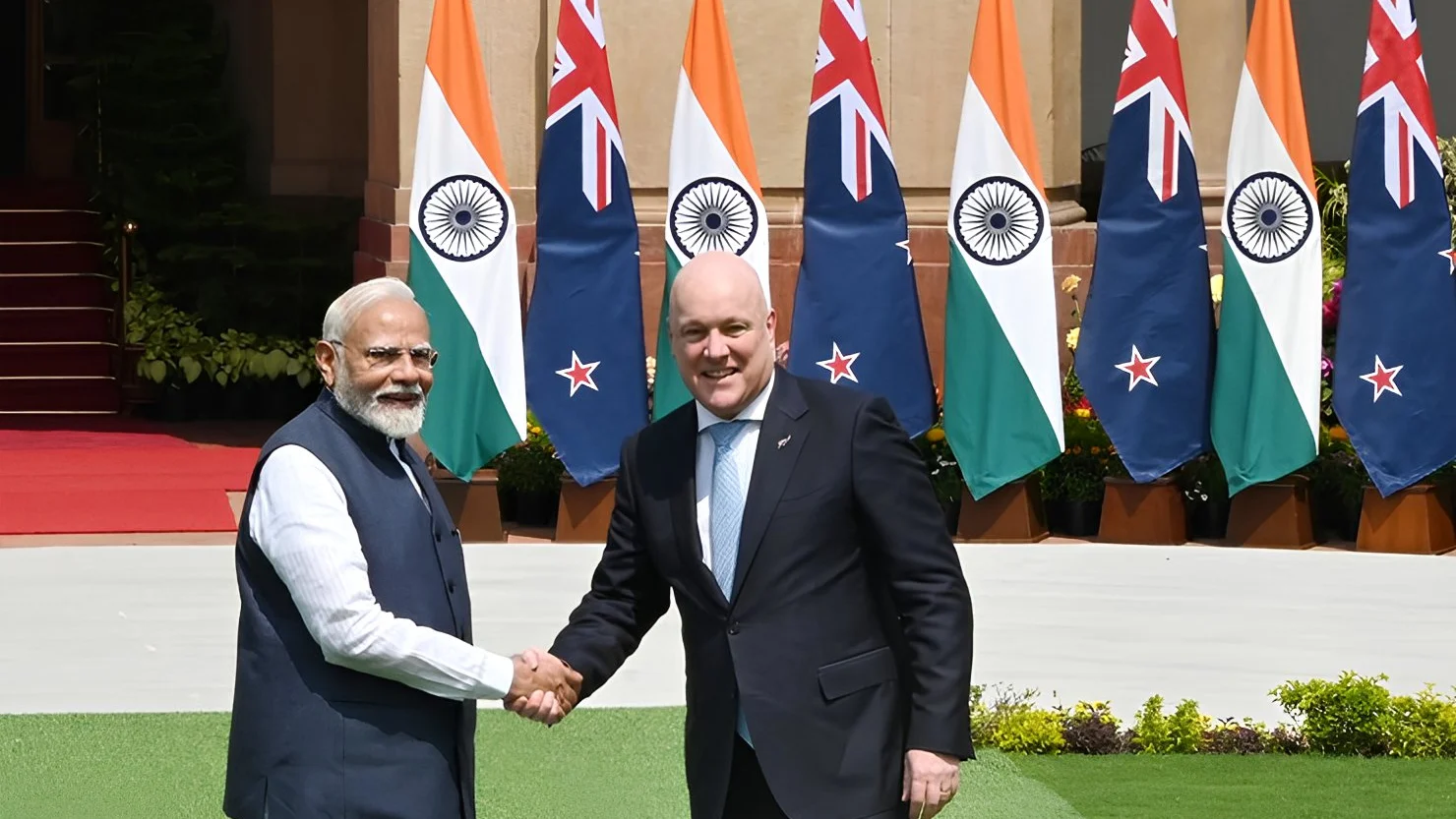
After months of sustained dialogue and careful negotiation, India and New Zealand have successfully completed negotiations for a comprehensive Free Trade Agreement (FTA), marking a major milestone in their bilateral relationship. The conclusion of talks signals not just a trade deal on paper, but a broader commitment by both nations to deepen economic cooperation, expand market access, and create new opportunities for businesses and professionals.
For India, the agreement comes at a crucial time when the country is actively strengthening trade partnerships beyond traditional markets. For New Zealand, it reflects a growing recognition of India’s expanding consumer base, manufacturing capabilities, and talent pool. Together, the FTA lays the foundation for a more balanced and future-oriented trade relationship.
One of the most significant highlights of the negotiations is the provision for zero duty access for Indian exports to New Zealand markets. This move is expected to enhance the competitiveness of Indian goods and make them more affordable for New Zealand consumers. By eliminating tariffs on a wide range of products, the agreement reduces barriers that previously limited trade volumes and slowed market entry for Indian exporters.
Several key sectors in India stand to benefit directly from this development. Textiles and apparel, long considered a backbone of Indian exports, are expected to see renewed momentum. With zero-duty access, Indian textile products will gain an edge over competitors, especially in segments where quality and cost-effectiveness matter equally. This is likely to support employment across the textile value chain, from small weaving units to large-scale exporters.
New Zealand’s Market Opportunities for Indian Exports
The leather industry is another major beneficiary. Indian leather goods, including footwear and accessories, have strong global demand but often face tariff-related challenges in overseas markets. The FTA removes such hurdles in New Zealand, allowing Indian manufacturers to expand their footprint while maintaining competitive pricing.
The agreement also brings encouraging news for the pharmaceutical sector, an area where India has established global credibility. With improved market access, Indian pharmaceutical companies can strengthen their presence in New Zealand, supplying affordable and high-quality medicines. This not only boosts exports but also reinforces India’s reputation as a reliable healthcare partner.
Similarly, the engineering sector, which includes machinery, automotive components, and industrial equipment, is poised for growth. Zero-duty access will help Indian engineering firms compete more effectively and explore long-term contracts in New Zealand’s infrastructure and manufacturing sectors.
Beyond large industries, the FTA places a strong emphasis on Micro, Small and Medium Enterprises (MSMEs). Often referred to as the backbone of the Indian economy, MSMEs have historically struggled with complex trade regulations and limited access to international markets. The agreement is expected to simplify procedures, improve transparency, and open new doors for smaller businesses looking to expand globally.
For many MSMEs, New Zealand could serve as an entry point into the broader Pacific market. Easier access, reduced costs, and clearer rules can encourage first-time exporters to take calculated risks and scale their operations. The ripple effect could be felt across employment generation, regional development, and innovation.
Another aspect of negotiations
Another important aspect of the negotiations was the focus on creating a balanced and fair framework. Both sides worked towards addressing concerns related to standards, regulations, and market sensitivities. Rather than a one sided deal, the agreement reflects mutual respect and long-term strategic thinking.
From a broader perspective, the India New Zealand FTA is also symbolic. It reflects India’s confidence as a global economic player and New Zealand’s willingness to engage more deeply with emerging markets. At a time when global trade faces uncertainty and protectionist tendencies, the successful conclusion of negotiations sends a positive message about cooperation and openness.
For Indian exporters, the agreement offers more than just tariff reductions. It provides predictability, confidence, and a clearer roadmap for expansion. For New Zealand businesses, it opens access to one of the world’s fastest-growing economies, rich in talent and entrepreneurial energy.
As the agreement moves towards implementation, attention will shift to execution and awareness. Ensuring that businesses, especially MSMEs, understand and utilise the benefits will be key. If implemented effectively, the India–New Zealand Free Trade Agreement has the potential to transform trade ties, empower industries, and strengthen the economic bridge between the two nations for years to come.
For more such information : EQMint
Resource link :TOI