

Author: Aadarsh Patel | EQMint
Mumbai is entering a major redevelopment cycle as thousands of ageing buildings across the city and the wider Mumbai Metropolitan Region move toward reconstruction.
With limited availability of new land, redevelopment is becoming an increasingly important way to create modern housing, improve infrastructure and unlock the value of existing properties. For property buyers and investors, the transformation could reshape several of Mumbai’s established neighbourhoods over the coming decade.
Mumbai Has A Large Redevelopment Opportunity
A significant portion of Mumbai’s housing stock consists of ageing buildings that require structural repairs or redevelopment.
CREDAI-MCHI has estimated that more than 25,000 buildings across the Mumbai Metropolitan Region are eligible for redevelopment, representing an estimated redevelopment opportunity of more than ₹30,000 crore.
The situation is particularly important in South Mumbai, where thousands of old seized buildings have been identified as requiring attention.
According to MHADA, 13,091 cessed buildings fall under its redevelopment and structural-safety framework. The authority has been carrying out structural inspections and has introduced a time-bound process under Section 79A of the MHADA Act for redevelopment of unsafe seized buildings.
What Is Driving Mumbai’s Redevelopment Push?
Redevelopment isn’t new to Mumbai, but several policy and economic factors are making it increasingly important.
The city has limited land availability, while demand for housing continues across established locations. Redevelopment allows existing plots to be used more efficiently without requiring large amounts of new land.
Government policies have also created incentives for larger redevelopment projects.
For example, MHADA provides additional FSI incentives for composite redevelopment, where multiple adjoining cessed properties are redeveloped together. Depending on the number of plots involved, the permissible incentive FSI can increase significantly.
The Maharashtra Housing Policy 2025 has also placed emphasis on redevelopment, including cluster redevelopment and self-redevelopment of old housing societies.
Which Parts Of Mumbai Could Benefit?
Redevelopment is already reshaping several established Mumbai neighbourhoods.
Areas with significant concentrations of ageing buildings and valuable land parcels are attracting attention from developers. These include parts of:
- South Mumbai
- Dadar
- Prabhadevi
- Worli
- Bandra
- Vile Parle
- Juhu
- Mahalaxmi
Several of these locations already have strong connectivity, established social infrastructure and high property values. Redevelopment could therefore introduce newer housing stock without changing the basic location advantage of these neighbourhoods.
What Does Redevelopment Mean For Property Values?
Redevelopment can affect property values in several ways.
For existing residents, an old or undersized apartment can potentially be replaced with a larger, modern home with better amenities and improved building infrastructure.
For surrounding property owners, a cluster of new buildings can change the character of a neighbourhood and potentially increase demand for nearby homes and commercial spaces.
For developers, redevelopment also creates access to valuable urban land in locations where acquiring large vacant plots is difficult.
However, redevelopment does not automatically guarantee higher property prices. The outcome depends on factors such as location, project execution, developer credibility, infrastructure, demand and the timeline for completion.
Infrastructure Could Become A Major Factor
The impact of redevelopment is not limited to individual buildings.
Large-scale redevelopment can create demand for better roads, water supply, drainage, public transport and other civic infrastructure.
Mumbai’s ongoing infrastructure expansion, combined with redevelopment, could further change the city’s established residential corridors. Scarcity of land and major infrastructure projects have already made redevelopment an important opportunity for developers in several parts of the city.
The combination of new buildings and improved connectivity could gradually create more integrated neighbourhoods rather than isolated redevelopment projects.
The Biggest Challenge: Execution
Mumbai’s redevelopment opportunity is large, but turning that opportunity into completed housing is not straightforward.
Projects can face delays because of tenant consent, disputes between residents and developers, financing issues, regulatory approvals and rising construction costs.
The government has therefore been attempting to simplify the redevelopment process and make projects more financially viable. MHADA has also revised certain premium and payment mechanisms to encourage redevelopment of old housing societies.
For buyers and investors, this makes the developer’s track record and the actual status of a redevelopment project just as important as the location.
What Buyers Should Watch
Anyone considering property in a redevelopment-heavy neighbourhood should look beyond the headline promise of a new building.
Key factors include:
- Whether redevelopment has received the required approvals
- The developer’s previous redevelopment record
- Existing society and tenant agreements
- Project financing
- Construction and completion timelines
- Proposed carpet area and amenities
- Future infrastructure around the property
- The property’s current and potential rental demand
A project that is strategically located but repeatedly delayed may offer a very different investment proposition from one that already has approvals and a clear construction timeline.
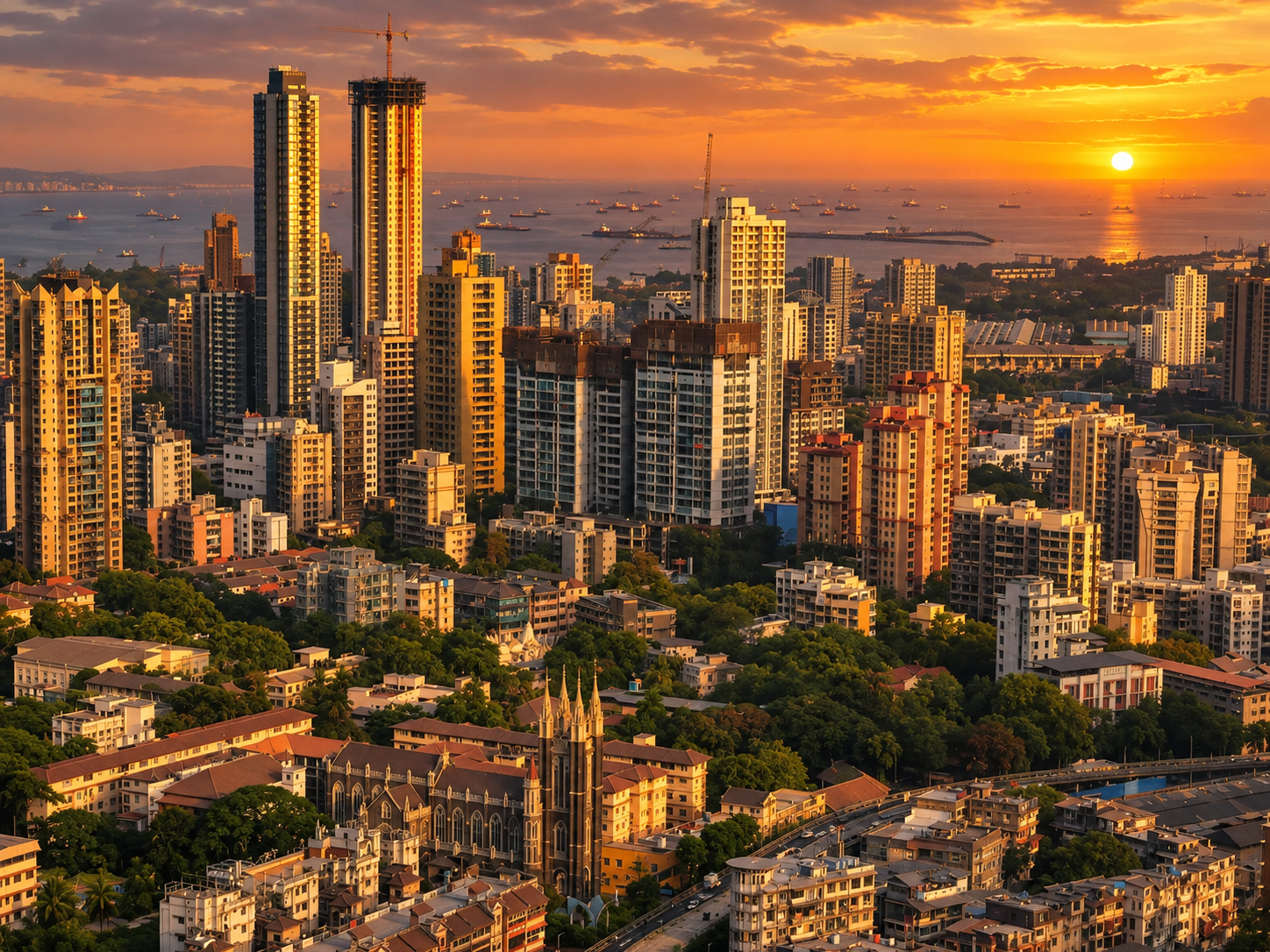
Mumbai’s Skyline Is Set To Change
Mumbai’s redevelopment story is ultimately about more than replacing old buildings with new towers.
It is about making better use of scarce urban land, upgrading ageing housing stock and creating modern residential communities within established parts of the city.
With more than 25,000 buildings across the MMR identified as eligible for redevelopment and thousands of cessed buildings in the island city requiring attention, the potential scale of this transformation is significant.
For property buyers, the redevelopment cycle could create opportunities across several established Mumbai neighbourhoods. But the strongest opportunities are likely to be those where location, project viability, developer credibility and execution all come together.
For more such information, visit EQMint
Join our WhatsApp channel for timely updates: Whatsapp