

Author: Nishtha Mehrotra | EQMint
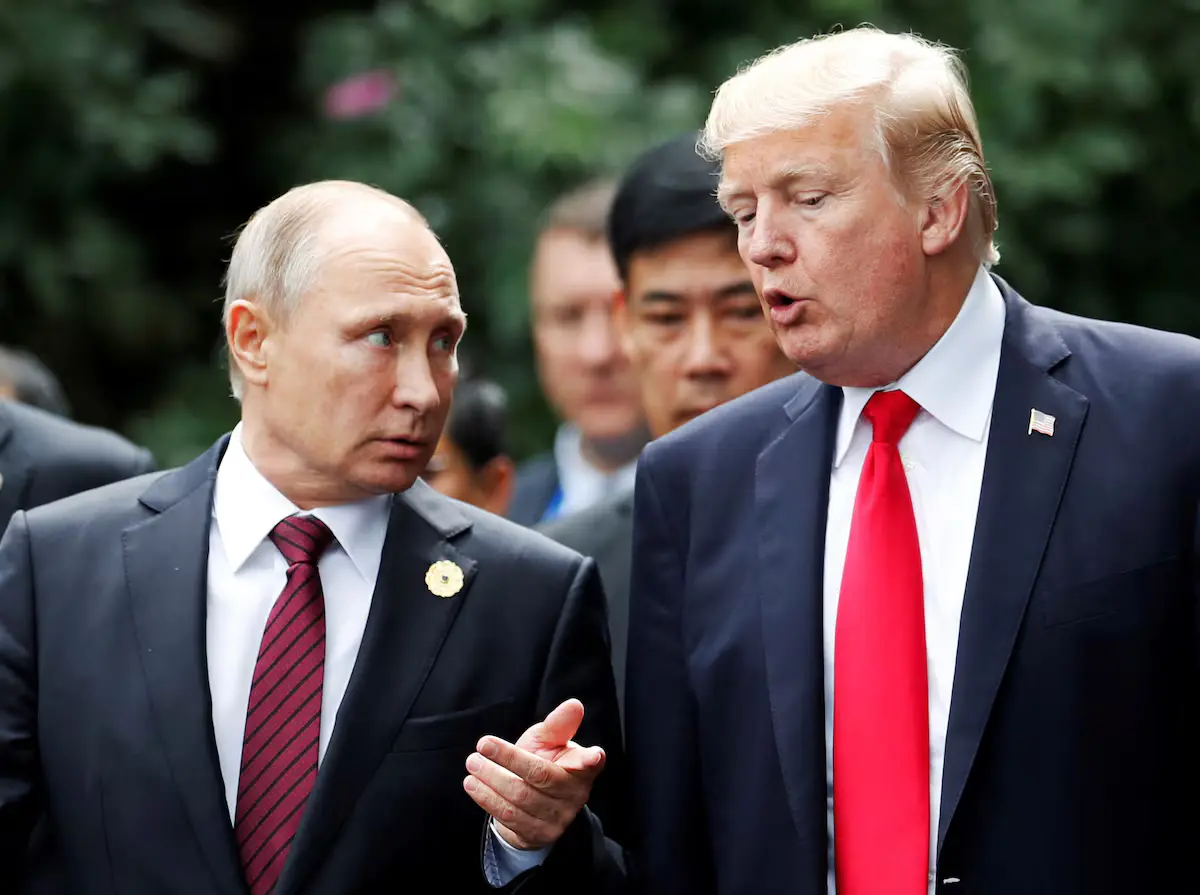
US President Donald Trump has announced a proposed arrangement under which Russia will supply diesel to American and global markets following a phone call with Russian President Vladimir Putin. The announcement, made on 9 October 2026, has drawn attention to rising fuel prices, US sanctions policy and the potential impact of additional diesel supplies on global energy markets.
What Trump Announced About Russian Diesel Supplies
In a post on Truth Social, Trump said Russia would immediately supply more than 300,000 tonnes of diesel, followed by another 500,000 tonnes in November and 1 million tonnes thereafter. He also announced the possibility of an additional 3 million tonnes, depending on the condition of Russian diesel refineries.
Trump said the arrangement, alongside energy supplies moving through the Strait of Hormuz, would bring diesel prices down significantly. He highlighted American farmers, ranchers and truckers as groups that could benefit from lower fuel costs.
The announcement concerns Russian diesel supplies to the United States and global markets, rather than a confirmed US purchase of Russian crude oil. The proposed volumes and delivery schedule remain subject to confirmation.
US Sanctions Waiver and Russia’s Energy Sector
The announcement coincided with a temporary US Treasury Department measure intended to allow Russian diesel to reach global markets despite existing sanctions.
According to CBS News, the Treasury Department announced a temporary waiver covering the supply of Russian diesel to the global market. The move represents a significant development in US energy policy, given Washington’s previous efforts to restrict Russian energy revenues following the invasion of Ukraine.
The scope and duration of the waiver are important because they determine which transactions and shipments can proceed legally. The precise terms should be checked against the US Treasury Department’s official announcements.
What Russia Said About the Trump-Putin Call
The Kremlin reportedly said the conversation covered economic cooperation and other international issues. Russian presidential envoy Kirill Dmitriev also welcomed cooperation between the United States and Russia on diesel and energy.
However, an announcement of proposed supplies does not establish that all the promised volumes have been delivered. The timing of shipments, refinery capacity and the availability of fuel for export will influence whether the arrangement translates into additional market supply.
Will the Russian Diesel Deal Lower Fuel Prices?
The potential effect on diesel prices remains uncertain. Additional supplies could provide some relief, but the impact will depend on the quantity delivered, the timing of shipments and prevailing market conditions.
The Associated Press reported that energy experts expected the additional Russian supplies to have a limited effect on prices, given the scale of the market and existing refining constraints.
The Washington Post also reported that the announced volumes were relatively small compared with US demand, suggesting that any immediate price relief could be limited.
The Strait of Hormuz remains another important factor in global energy markets because disruptions to shipping routes can affect fuel availability and transportation costs. The Russian arrangement alone does not guarantee a sustained decline in diesel prices.
Political Reaction to the Russia Diesel Deal
The proposed arrangement has raised questions about the balance between lowering energy costs and maintaining pressure on Moscow over the war in Ukraine.
Ukrainian President Volodymyr Zelenskyy criticised the agreement, arguing that allowing Russian petroleum products to reach markets could benefit Moscow financially. Supporters of the move may argue that increasing fuel availability could ease costs for consumers and businesses.
The announcement also comes amid wider debate about US energy policy, sanctions enforcement and the economic consequences of the Russia-Ukraine and US-Iran conflicts.
What Happens Next?
The immediate developments to watch are whether the first 300,000 tonnes are delivered, whether subsequent shipments follow the announced schedule and how the temporary sanctions waiver is implemented.
Diesel price movements during November and December will help indicate whether the arrangement has a measurable effect on fuel markets. Until deliveries and their market impact are established, predictions of a major fall in diesel prices should be treated cautiously.
Disclaimer: This article is for information purposes only and is not investment advice.
For more such information, visit EQMint
Join our WhatsApp channel for timely updates: Whatsapp