
July 30, 2026: A bankable biomass clusters turns scattered agricultural residue into a dependable source of industrial fuel by connecting farmers, aggregators, logistics providers, processors and end users through one coordinated network.
Author: Aadarsh Patel | EQMint
India produces millions of tonnes of agricultural residue every year, yet much of it is still burned in fields or left unused. The challenge isn’t the lack of biomass. It’s the lack of an organised ecosystem that can reliably collect, store, process and deliver it.
For years, many biomass projects have started with a processing plant. The real starting point, however, is the supply chain behind it.
The Plant Isn’t the First Investment
A Bankable Biomass Clusters entrepreneur may find abundant crop residue in a region and identify an industrial customer looking for cleaner fuel. On paper, the opportunity looks attractive.
But one question determines whether the project succeeds:
Who can guarantee the right quantity and quality of biomass every month?
No individual farmer can ensure continuous supply. Aggregators often lack storage and working capital. Transporters require efficient routes, while industrial buyers need assured quality, predictable pricing and uninterrupted deliveries.
A processing plant alone cannot solve these challenges.
Why Biomass Clusters Matter
A successful biomass project begins by building relationships before installing machinery.
That means:
- Mapping biomass availability across seasons.
- Enrolling farmers and Farmer Producer Organisations (FPOs).
- Creating a network of local collection partners.
- Establishing quality standards.
- Building decentralised storage facilities.
- Planning logistics.
- Securing long-term industrial buyers.
Only after the supply chain becomes reliable should plant capacity be finalised.
This approach creates feedstock security, reduces operational risk and builds predictable cash flow, making the project more attractive for lenders and investors.
The Race Eco Chain Approach
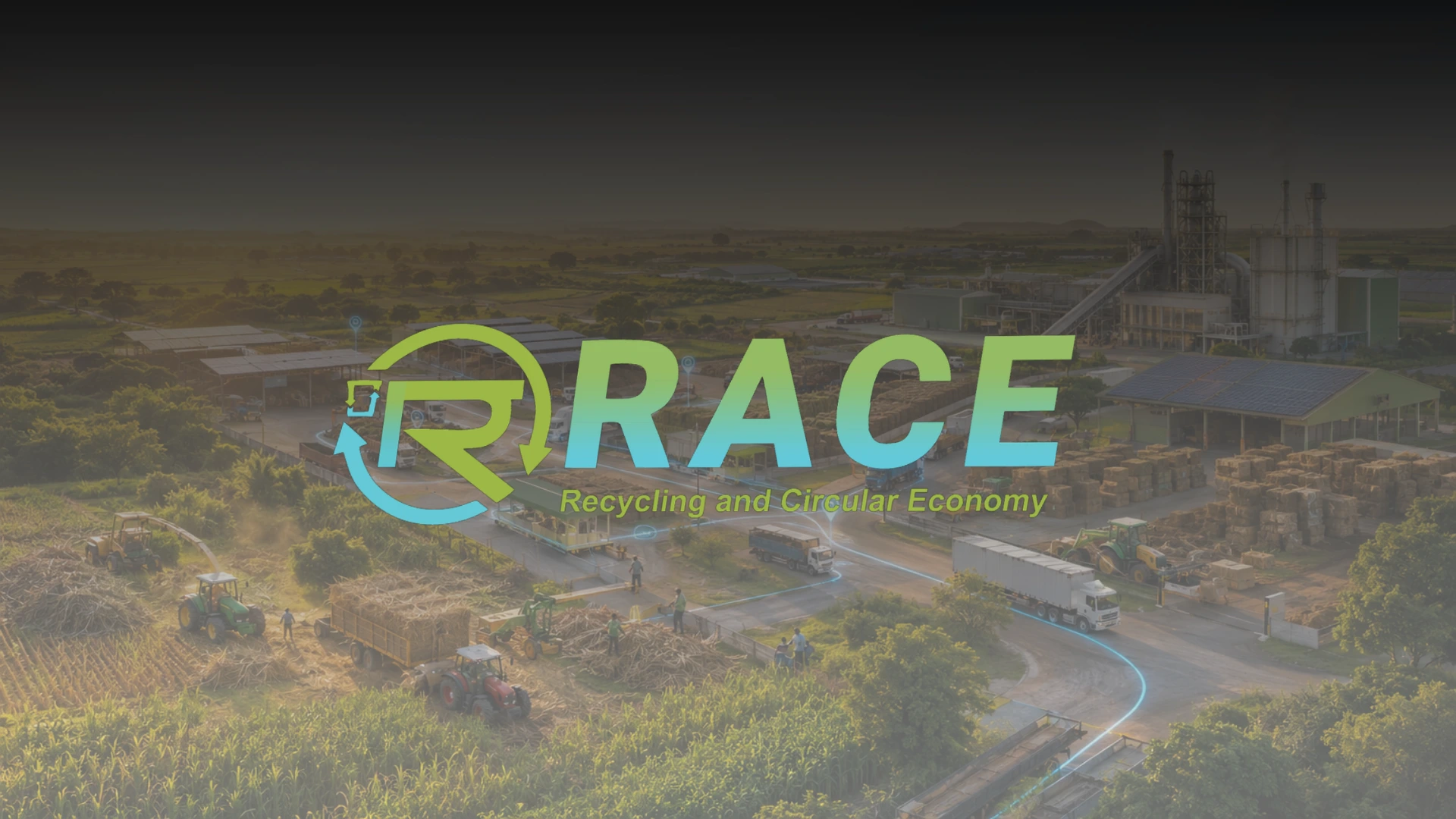
Companies such as Race Eco Chain are working to strengthen exactly this missing link in India’s circular economy.
Rather than viewing biomass as a standalone commodity, Race Eco Chain focuses on building organised collection ecosystems that connect farmers, waste generators, processors and industries through structured supply chains.
Its approach supports:
- Regional biomass collection networks.
- Aggregation and storage infrastructure.
- Digitised supply chain management.
- Reliable industrial feedstock supply.
- Circular economy and ESG objectives.
By creating transparent sourcing and efficient logistics, Race Eco Chain helps industries reduce dependence on fragmented procurement while giving farmers and local communities access to stable demand for agricultural residue.
Building a Bankable Biomass Clusters
A Bankable Biomass Clusters becomes commercially viable when every participant benefits.
- Farmers receive an additional source of income.
- Aggregators get predictable volumes and payments.
- Processors receive consistent feedstock.
- Industries secure dependable renewable fuel.
- Financial institutions gain confidence because risks are visible and managed.
Every coordinated link strengthens the business model. Every broken link introduces uncertainty.
India’s Opportunity
India’s growing focus on industrial decarbonisation, biomass co-firing, compressed biogas (CBG), biofuels and renewable energy has created significant demand for organised biomass supply chains.
The opportunity extends well beyond processing plants. It includes rural employment, better utilisation of crop residue, lower open burning and reduced carbon emissions.
Businesses capable of building dependable biomass clusters will play a central role in supporting India’s energy transition.
EQMint Analysis on Bankable Biomass Clusters
The next phase of India’s bioenergy growth will depend less on installing processing capacity and more on creating reliableBankable Biomass Clusters. Investors increasingly evaluate feedstock security, logistics and long-term customer contracts before financing projects.
Race Eco Chain’s integrated approach reflects this shift. By focusing on aggregation, supply chain coordination and industrial linkages, the company is helping build the foundation required for scalable biomass businesses.
Current View
The future of Bankable Biomass Clusters lies in organised networks rather than isolated plants. Companies that can consistently connect farmers, aggregators, logistics providers and industrial buyers will be better positioned to build profitable, finance-ready bioenergy businesses while contributing to India’s circular economy.
For more such information visit EQMint
Join our Whatsapp channel for timely updates: Whatsapp


